
Books can provide stories of healing from the damage done by white supremacy, and a window into a liberated future. They remind us another world is possible and help to show us the way.
Healing and Hope 10




“Given the discrimination and violence I have experienced in my sixty-three years, it would have been easy for me to become a hateful person…I believe I am whole today because I confront and feel such pain fully.” — A Two-Spirit Journey


“This book features stunning artwork that vividly captures the landscapes our ancestors traversed. Each illustration reflects the beauty of the land they cherished and fought to protect, highlighting the natural scenery and the vibrant culture and history woven into these places. Readers can appreciate the deep connection between our heritage and the land that shapes our identity through these images.” — Anay Aceves-Martinez, about ¿De Dónde Eres?
“I think it is healing behavior, to look at something so broken and see the possibility and wholeness in it.”
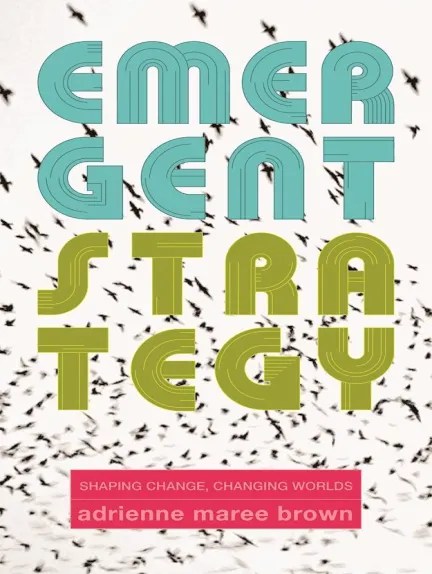
“If the goal was to increase the love, rather than winning or dominating a constant opponent, I think we could actually imagine liberation from constant oppression. We would suddenly be seeing everything we do, everyone we meet, not through the tactical eyes of war, but through eyes of love.” — Emergent Strategy
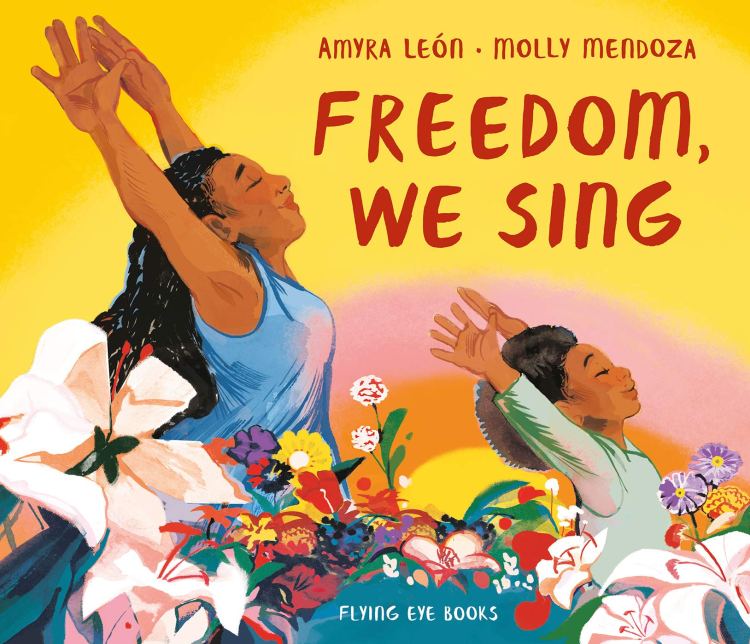
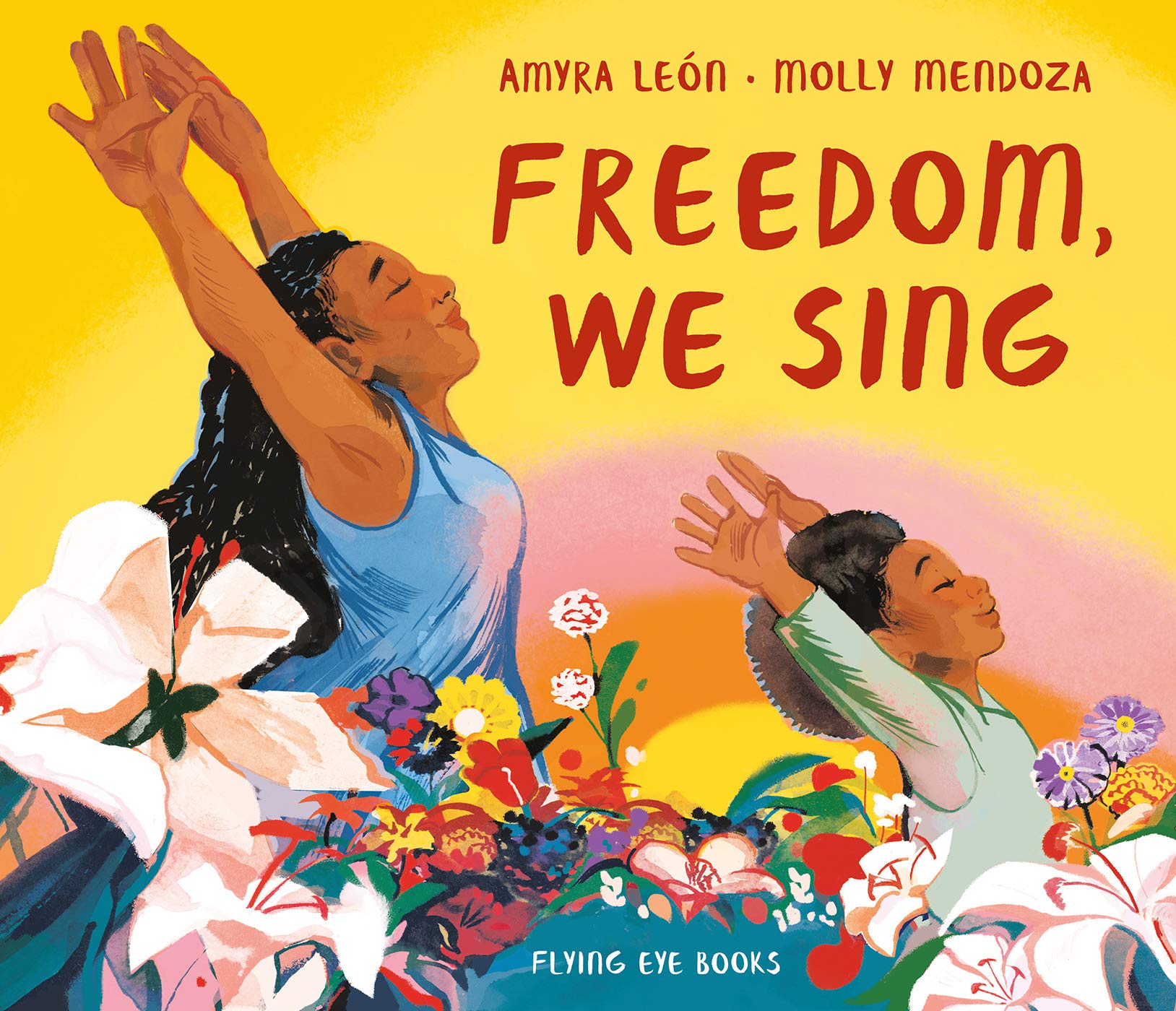
“The combination of fluid poetry and striking images inspired me to think about freedom inclusively. The repetition of pages that read “inhale” and “exhale” with images that complemented each other was a beautiful way to incorporate mindfulness into a childrenʻs book.” — Brianne Imada, about Freedom, We Sing
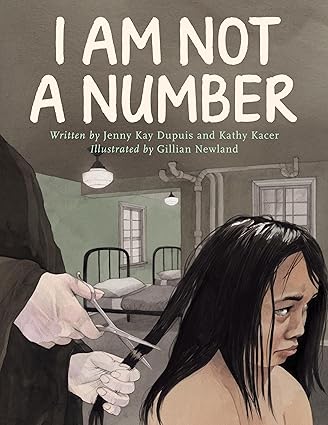
“I Am Not a Number is a powerful book whose text and illustrations together form an impressive depiction of the horrors of being separated from one’s family and being taught that your way of life, everything that you hold dear, in fact your very self, is wrong. Written with immense care by a granddaughter about her grandmother’s experience, this book demonstrates the importance of documenting and reclaiming a personal history and celebrating Irene Couchie Dupuis’ Anishinaabe culture.” – Emma Kalff, about I Am Not A Number

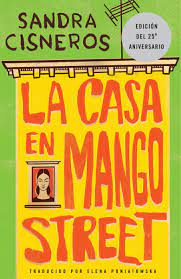
“Cuando soy una cosita delgada contra tantos ladrillos es cuando miro los árboles. Cuando no hay nada más que ver en esta calle. Cuatro que crecieron a pesar del concreto. Cuatro que luchan y no se olvidan de luchar. Cuatro cuya única razón es ser y ser.” — La Casa en Mango Street
“By sharing about her personal experiences in a raw way and tying that into a larger picture around the oppression Filipina and other women of color face, the book was simultaneously specific and relatable to myself as a woman from different Asian communities. Throughout the poems, there is a strong sense of dignity, grounding, and pride that balances the analysis of oppression with creativity, inspiration, and solidarity for and with other brown girls.” — Brianne Imada, about Letters to a Young Brown Girl


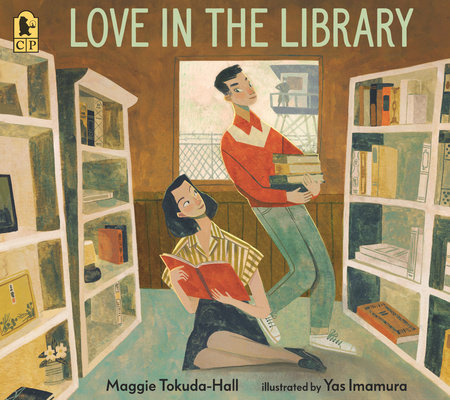
“And the books were constant company… Tama loved books. Caught in their pages were worlds bursting with color and light, love and fairness.” — Love in the Library
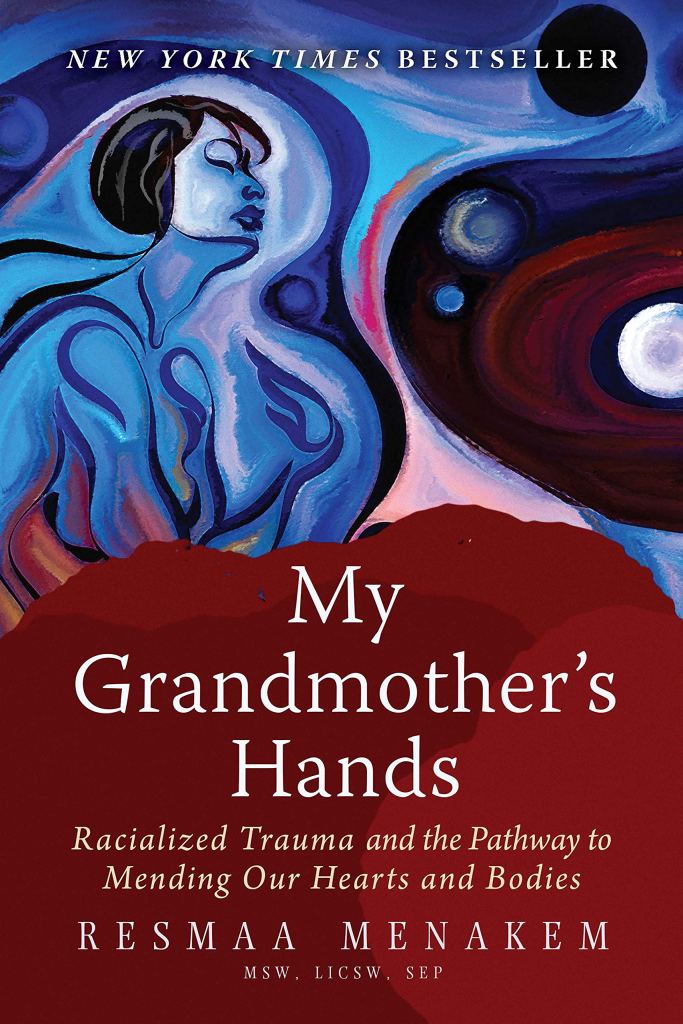
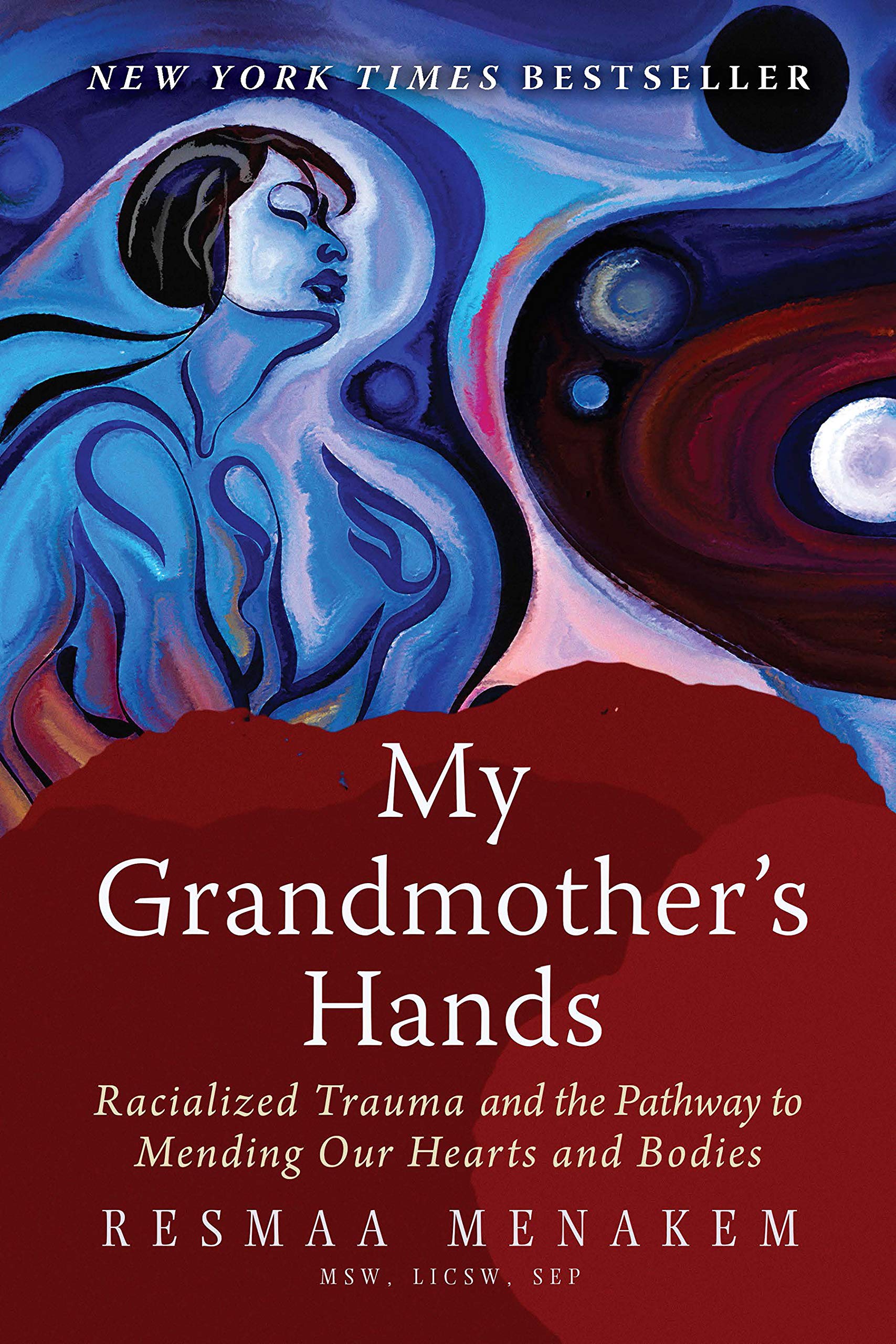
“At its best, activism is a form of healing. It is about what we do and how we show up in the world. It is about learning and expressing regard, compassion and love.” — My Grandmother’s Hands
“Having found our breath, we are free to listen to that deep and ancient wisdom that exists below our skin. We can ground ourselves in the love of our community and begin to imagine how to close the gap for our children.” — The Purpose Gap
Healing and Hope 20











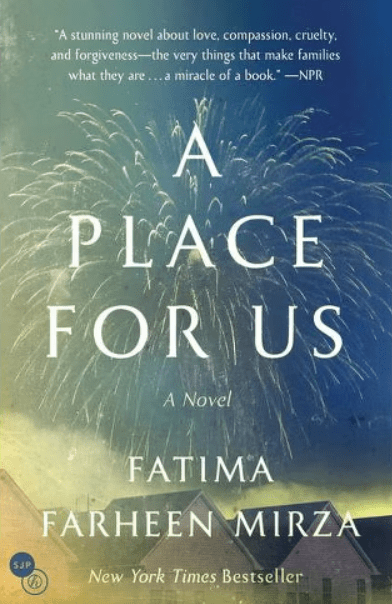
“But I did fight. I tried to leave every human I have interacted with better than or the same as when I encountered them….It was the way I wanted to move through the world….That was my fight: to continue to do little things for people around me, so no one would find fault in my demeanor and misattribute it to my religion.” — A Place for Us
“If we look at love differently in all relationships, not just romantic, we could begin to change behaviors. If I, as a parent, consider how I show my love to my child and how my child accepts my love, this could be carried into her relationships… These practices are foundational for human connection and understanding.” — Ryan Stone, about All About Love
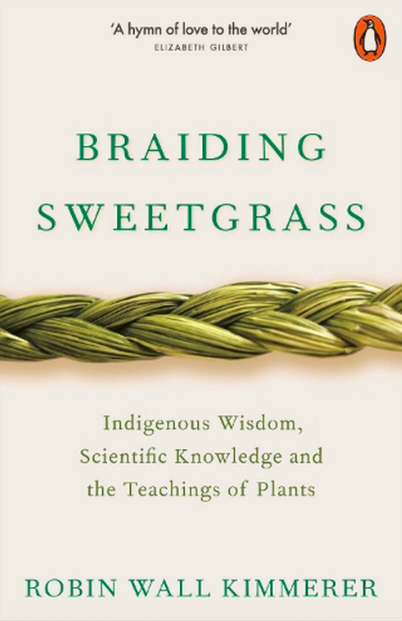
“Gorgeously written, Braiding Sweetgrass offers an Indigenous worldview through the author’s reflections on the biology of plans. A reader can’t help but reflect on their own worldview, and their own relationship to the earth, and to yearn for something healthier.” — Nora Lester Murad, about Braiding Sweetgrass


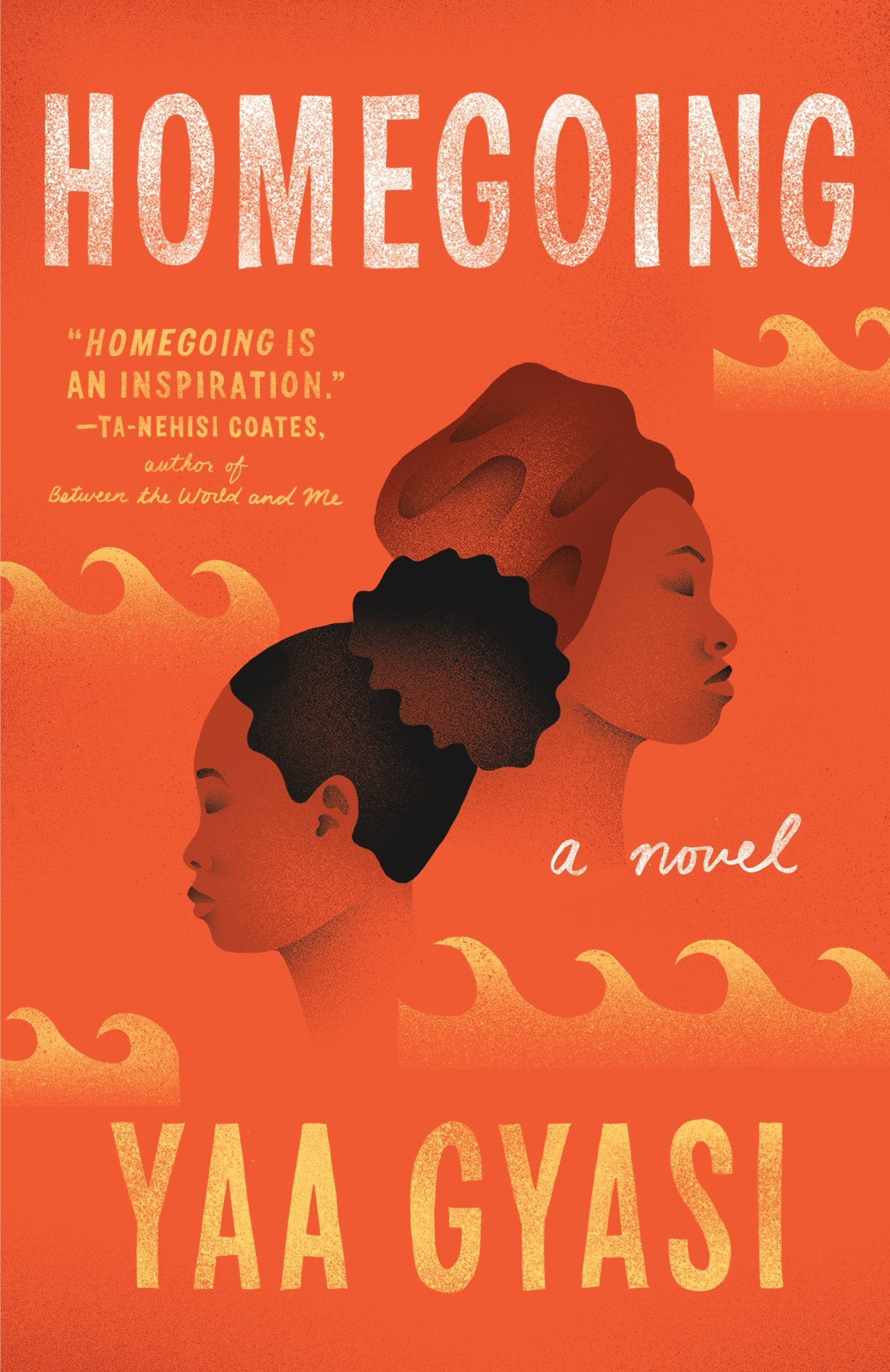
“This is how we all come to the world, James. Weak and needy, desperate to learn how to be a person.’ She smiled at him. ‘But if we do not like the person we have learned to be, should we just sit in front of our fufu, doing nothing? I think, James, that maybe it is possible to make a new way.” — Homegoing
“There is a strength, a power even, in understanding brokenness, because embracing our brokenness creates a need and desire for mercy, and perhaps a corresponding need to show mercy. When you experience mercy, you learn things that are hard to learn otherwise. You see things you can’t otherwise see; you hear things you can’t otherwise hear. You begin to recognize the humanity that resides in each of us.” — Just Mercy

“To fall in love is already a gift. But to fall in love in a place like Minidoka, a place built to make people feel like they weren’t human—that was miraculous” — Love in the Library
“King addresses the emotional and spiritual impacts of racism, defining it as ‘a heart disease’ that ‘is curable!’ The mindfulness practices support the inward journey and preparation necessary for transformative conversations and organizing.” — Caroline Merritt, about Mindful of Race


“You have the power to stop intergenerational and historical trauma in its tracks, and to keep it from spreading from your body into others. Above all, you have the power to heal. But first you have to choose to heal.” — My Grandmother’s Hands
“This book contains a combination of deeply human and heartbreaking stories from Vargas’s own life that are impactful, along with eye-opening and enraging historical data points about US immigration policy. Vargas shares his story with vulnerability and honesty, and encourages us to imagine a future where dignity and belonging are centered.” – Margaret Walker, about Querida América: Notas de un ciudadano indocumentado
“There is no greater work than the work of self-love because it lies at the heart of our liberation from ignorance. I show up because I love. I am present because of love. I am alive because of love. I thrive because I am loved. Radical presence is born out of love. In the end, may all beings be liberated through the celebration and love of the things we all once suffered from.” — Radical Dharma
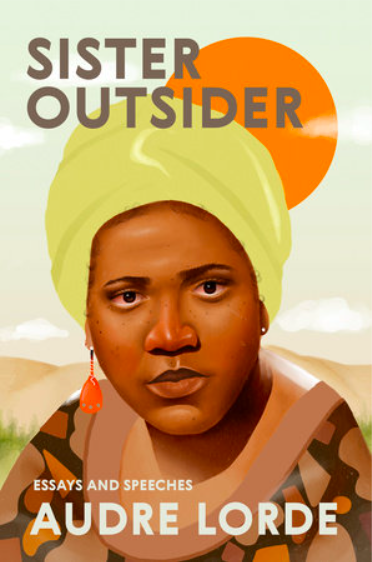
“My fullest concentration of energy is available to me only when I integrate all the parts of who I am, openly, allowing power from particular sources of my living to flow back and forth freely through all my different selves, without the restrictions of externally imposed definition. Only then can I bring myself and my energies as a whole to the service of those struggles which I embrace as part of my living.” — Sister Outsider


“This book allows us to see that the struggle of the people is not the end…People are standing up for themselves and proving that they are here. Here to stay, here to be free.” — Victor Nguyen, about The 1619 Project: Born on the Water
“Making peace with your body is your mighty act of revolution. It is your contribution to a changed planet where we might all live unapologetically in the bodies we have.” — The Body is Not An Apology

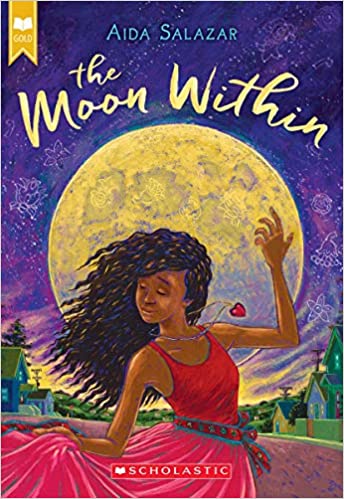
“This book was amazing. I was impressed with the portrayal of the relationship between youth and adult caregivers and the strength of community. It built capacity to find strength in oneself and one’s loved ones.” — Carina Traub, about The Moon Within
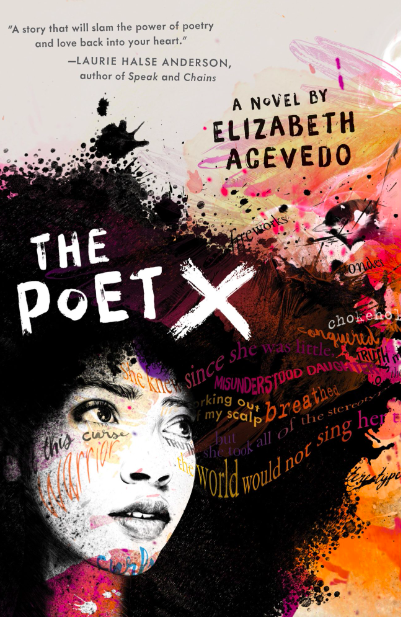
“The narrator is a skilled poet, and learns how to use her words to advocate for herself and her experiences, and find a kind of catharsis. This book was incredibly impactful to me, the writing is beautiful, and it’s an absorbing story… I think it has the potential to be a really empowering and/or enlightening book for many readers.” — Anna South, about The Poet X

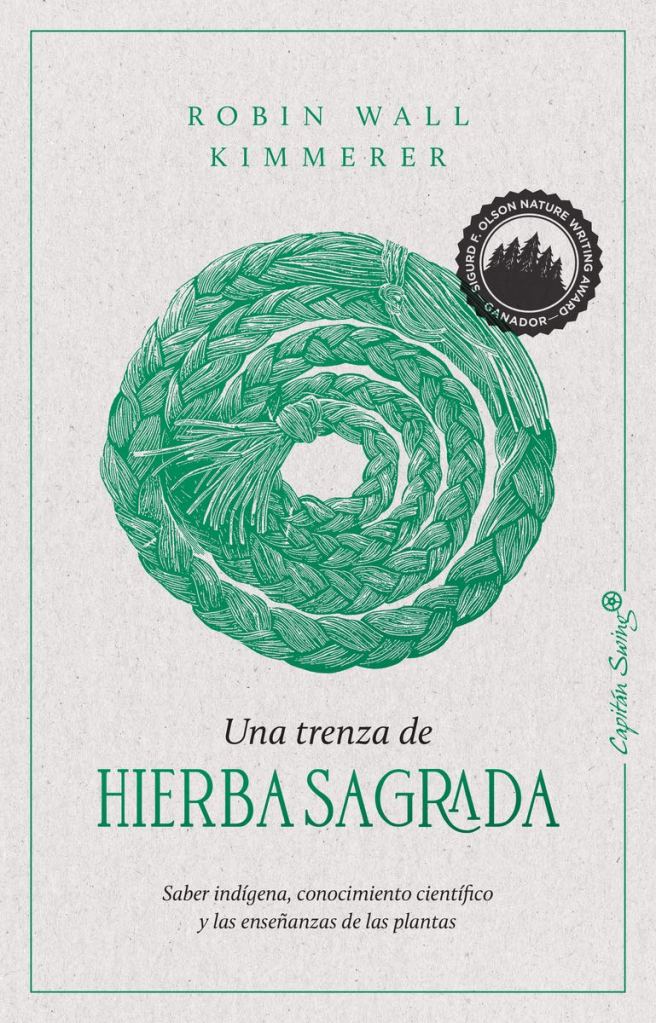
“A partir de la sabiduría del pasado, hemos de construir colectivamente una imagen del futuro, una cosmovisión definida por la prosperidad mutua.” — Una trenza de hierba sagrada
“This book thoughtfully interweaves and connects essays about the Civil Rights Movement and authors’ personal childhood experiences… [It] offers hope for a better, more just world and centers young people as changemakers who must transform it.” — Sandra Soto, about We Rise, We Resist, We Raise Our Voices


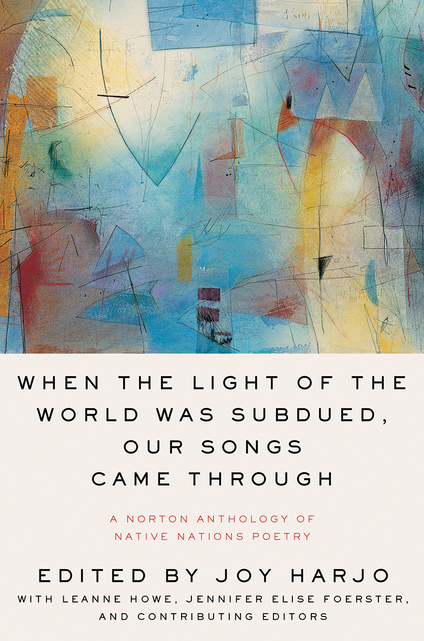
“The ability to speak in metaphor, to bring people together, to set them free in imagination, to train and to teach, was and is considered valuable, more useful than gold, oil, or anything else the newcomers craved.” — When the Light of the World Was Subdued, Our Songs Came Through
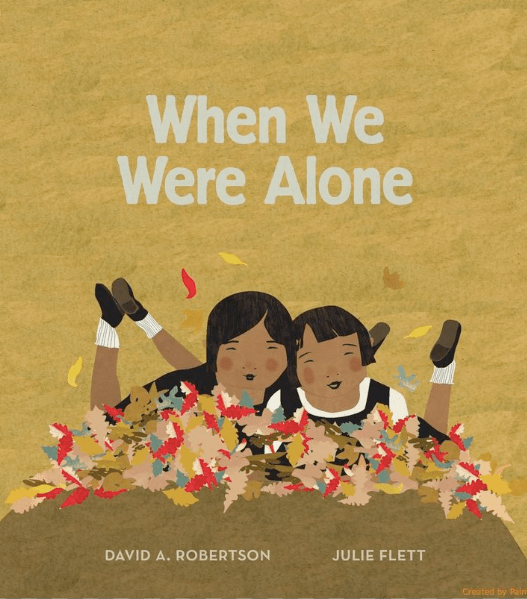
“When we were alone, we would whisper to each other in Cree. We would say all the words we weren’t allowed to say so that we wouldn’t forget them. And this made us happy… Now, I always speak my language.” — When We Were Alone
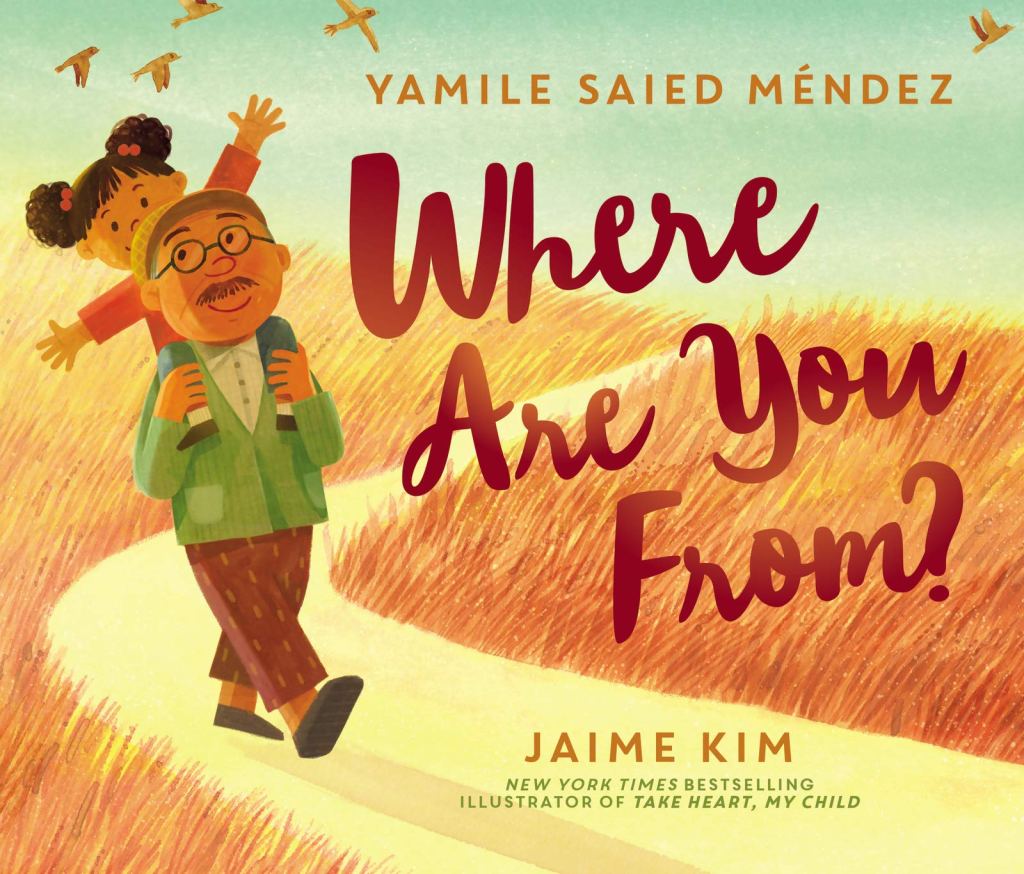
“Throughout the story, a little girl comes to understand her identity through a story told by her grandfather–that she comes from a beautiful, vibrant land and all the people who came before her who protected it: ‘you’re from here, from my love and the love of all those before us.’” — Tasia Rechisky, about Where Are You From?
 Libraries for Liberation