Books can raise awareness of the racial injustice in the world around us. When we look closer at our current systems and the history behind them, we discover a clearer picture of how we got here. Racism is not a result of a broken system — it is infused, with purpose, into the structures that affect our everyday lives. We have a responsibility to critically reflect so that we can build something different.

Solidarity and Activism 10


“It was plain to me that we couldn’t look to the courts for freedom and justice anymore than we could expect to gain our liberation by participating in the US political system, and it was pure fantasy to think we could gain them by begging. The only alternative left was to fight for them and we were going to have to fight like any other people who have fought for liberation.” — Assata: An Autobiography


“I’ve never posited transformative justice as ‘the antidote’ to the Prison Industrial Complex. For me, transformative justice is a way to do the work that needs to happen to make sure we’re transforming our relationships with each other because, ultimately, I hope that this helps foster the conditions necessary for a world without these horrific death-making institutions that I want to see dismantled.” — Beyond Survival
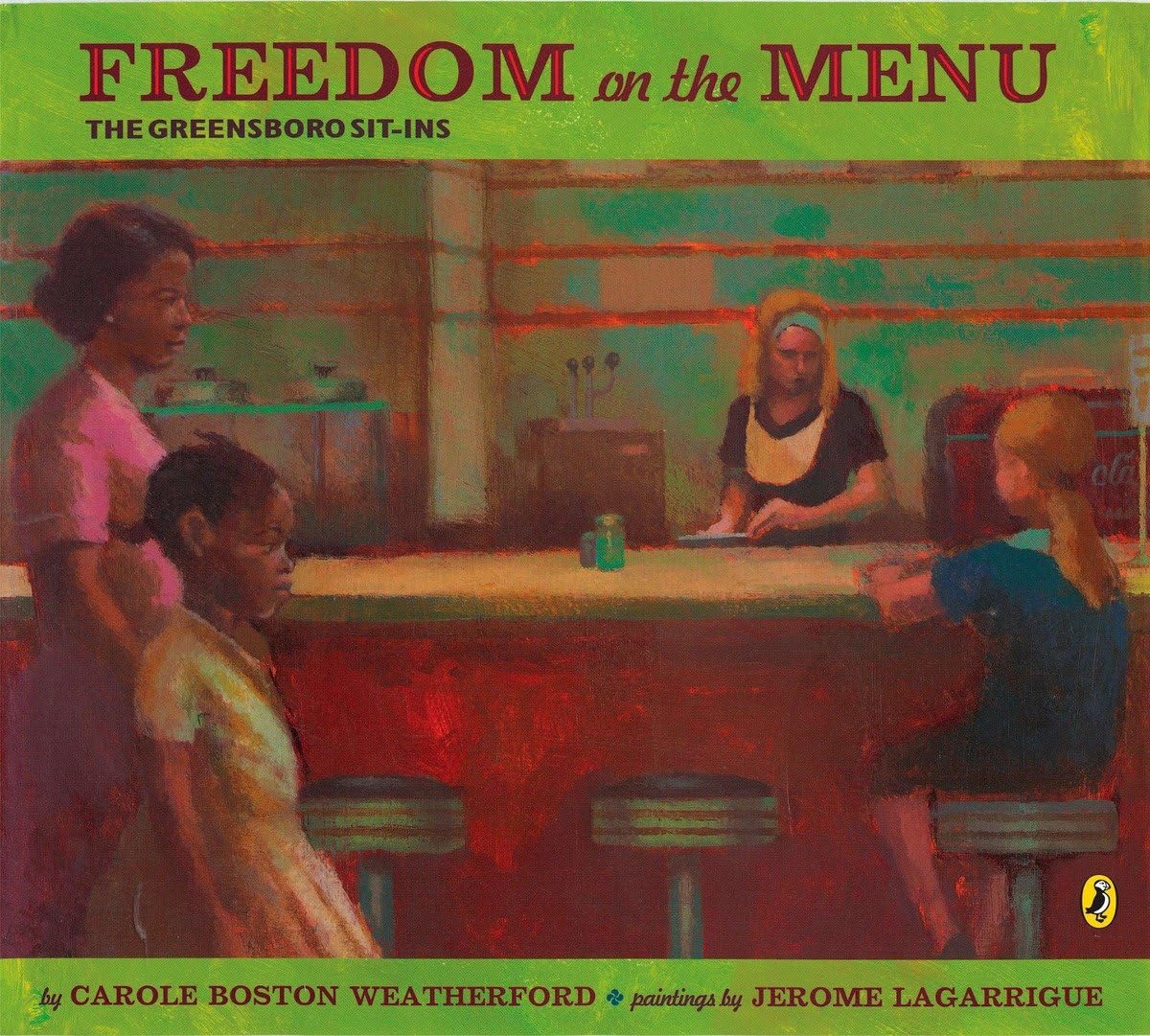
“This book helps readers understand the sit-in movement from the perspective of a child. They are exposed to community organizing through NAACP and MLK, and through the student-run sit-in movements. Characters are seen practicing civil disobedience and questioning the racism they face. It shows how children were able to participate by making picket signs, even if they couldn’t do the sit-in themselves.” — Jenn Hooke, about Freedom on the Menu: The Greensboro Sit-Ins


“The thing about prejudice is you can’t tell people to not be prejudiced. You’ve got to show them. It’s like writing.” — Front Desk
“This book portrays some of the challenges of our immigration system as well as concrete, realistic actions that could be taken to combat that system. It doesn’t sugarcoat the ending, leaving what happens to the mother somewhat uncertain. It also beautifully highlights the importance of storytelling as a tool for healing and activism.” — Jason Harris, about Mama’s Nightingale: A Story of Immigration and Separation


“This book is very concise in its explanation of racism and doesn’t sugar coat anything while still keeping a positive tone… It doesn’t “This is an especially powerful book that helps white people to understand that even if you’re not blatantly racist, there are systemic things embedded in not only our minds but in society. This book can help a lot of people view their actions and society through fresh eyes and allows them to help take action against white supremacy.” — Kaitlynn Standow, about Me and White Supremacy
“The tradition of Indigenous resistance is a radical consciousness and political practice, deeply embedded in history and place, and cannot be simply overturned… It cannot be killed. It endures the long game of colonial occupation.” — Our History is the Future


“I appreciated how the plot highlighted art and activism, since it showed a way for young people to respond to painful events in ways that uplift creativity and community-building. I also appreciate how the main theme of the book was around Jade learning to use her voice. I felt inspired as she spoke up at her mentorship program, at school, and in her family.” — Brianne Imada, about Piecing Me Together
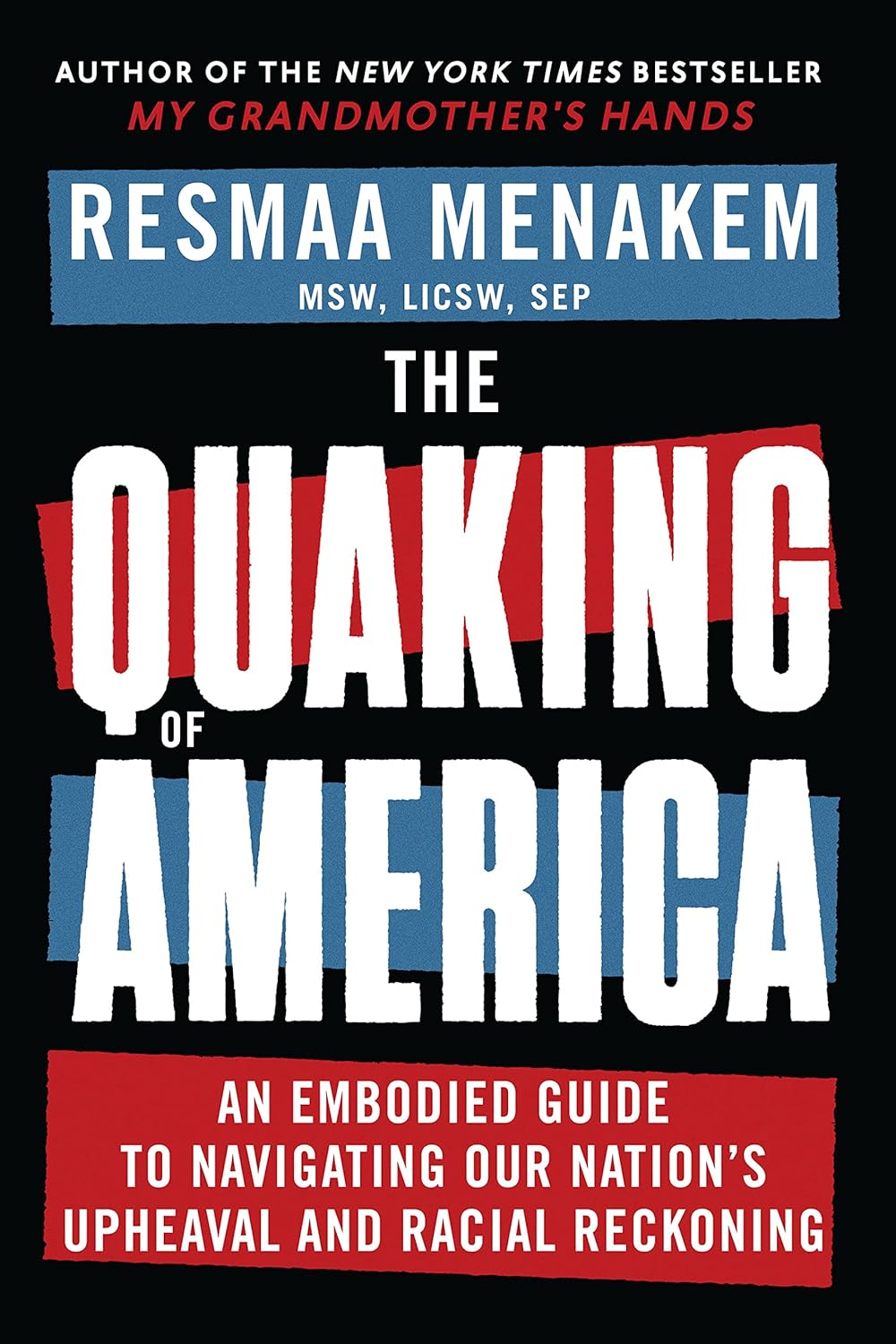
“This book laid out all the dangers of the times we are in, and how all of us are deeply harmed by the status quo of white supremacy. At the same time, it highlighted all of the possibilities and strategies for resisting oppression and creating a different, liberated world through layers of embodied practice, reflection, and action.” — Margaret Walker, about The Quaking of America


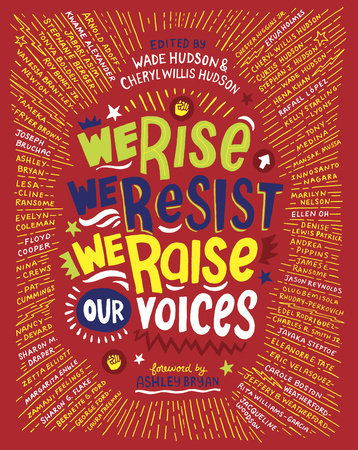
“This book gives children the hope needed to fight against the world we live in today. There were many poems and stories from a wide range of people but they all followed the same theme, hope and love. It shows people that even though we are in a world filled with racism and bigotry, fighting back with love and inclusion in our communities can make such a big difference.” — Lindsay Hansen, about We Rise, We Resist, We Raise Our Voices
Solidarity and Activism 20


“Babel explores colonialism in an incredibly powerful way. R.F. Kuang’s extensive academic exploration of the topic and personal experiences as a translator and a woman of color allows her to break down internalized and external oppression while showing the characters developing tools to resist and transform the systems around them.” — Lila Greiner, about Babel


“Krawek details how everyone can get involved and be disrupters to make a change. She warns that this may bring up discomfort, but the job is to listen and ask how you can make a difference. She encourages people to identify local tribal communities and Indigenous land organizations. Together, through learning and action, this is where transformation can occur.” — Ryan Stone, about Becoming Kin
“Beyond Survival really opened my mind to how individuals and smaller communities are approaching transformative justice work. Given that this is written in more of a handbook-style format, the analysis is woven in with different practical applications. Some of the creative ones that stood out to me were party safety tips, the organization of small accountability pods, and articles about what to do when you have committed harm.” — Brianne Imada, about Beyond Survival


“This book was written in a way that children would be able to understand the context of what was happening during the Civil Rights Movement. It showed how consistent the children were in the middle of the movement and how people of all ages got involved in their own way.” — Jessica Brown, about Child of the Civil Rights Movement
“I must be willing to go anywhere with this message, I will go into the belly of the beast because where better to disrupt the status quo.” — Decolonizing Wealth


“The author outlines what needs to happen within our economic system in order to create real lasting change and calls out philanthropy as having colonial, white supremacist roots. This book can be used as a sort of handbook for firms to implement a transformed, more reciprocal way of being. It is a terrific resource for anyone, especially folks who work in the field of philanthropy.” — Emma Kalff, about Descolonizando la riqueza
“Don’t sit this out. It has room for you. Find out, start, or help shape what is happening in your town.” — Emergent Strategy


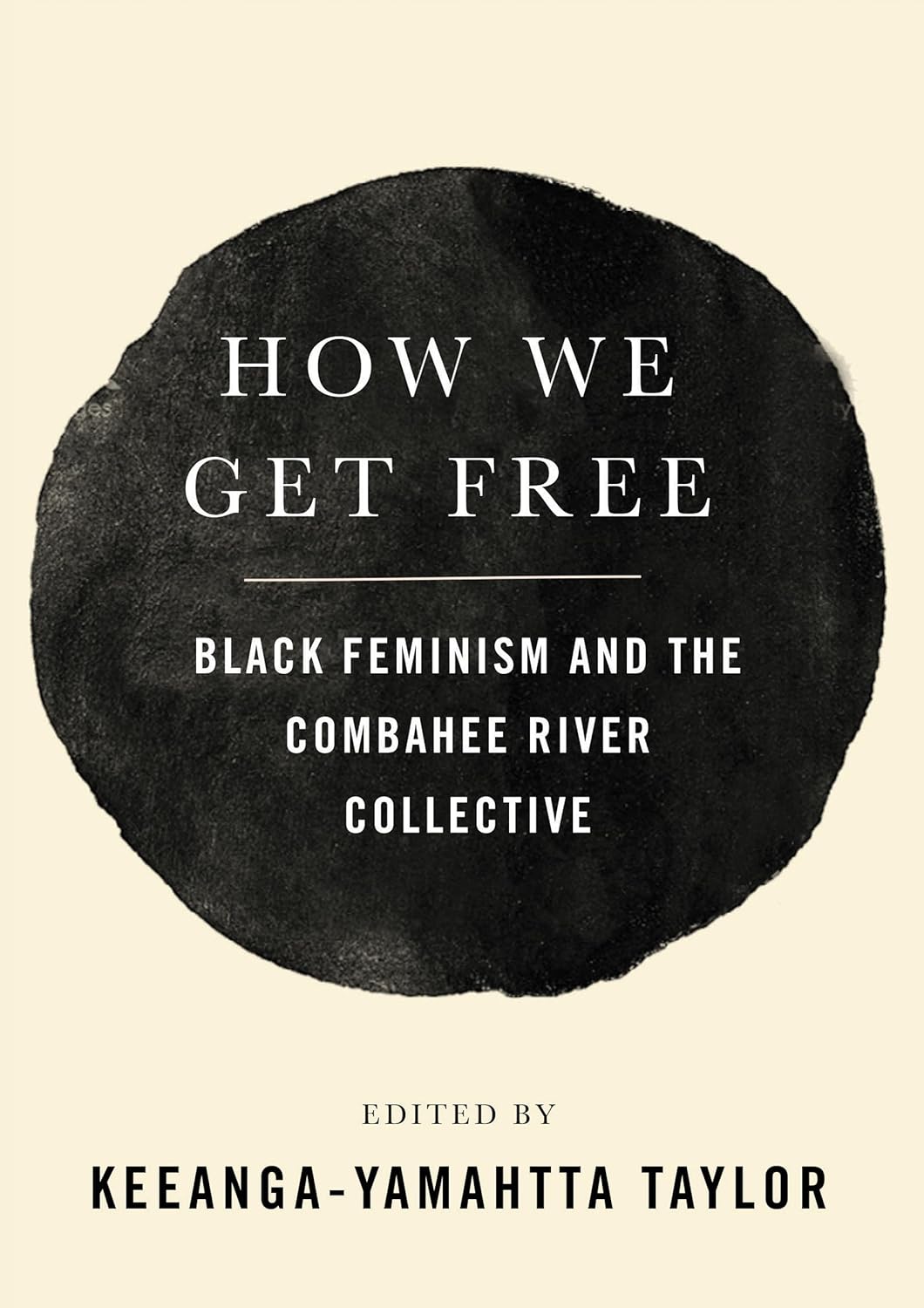
“If Black women were free, it would mean that everyone else would have to be free since our freedom would necessitate the destruction of all the systems of oppression.” — How We Get Free
“This book covers so much ground, from past liberation movements, to the history of policing and abolition, to the future of what our communities could look like. There are introductory pieces for those beginning their abolition journey, along with strategies and examples of how to create new ways of approaching harm, safety, and justice. The entirety of the book focuses on a goal of divesting from and working outside of systems of oppression.” — Margaret Walker, about Lo que haremos hasta que nos liberemos


“This explores all kinds of intersectional struggle. It supports analyzing society though a critical lens and building the capacity to respond in a creative and transformative way by reminding the reader to take action, and that ‘it has to burn before it can grow.’” — Angel Morales, about Making Abolitionist Worlds
“This explores all kinds of intersectional struggle. It supports analyzing society though a critical “March has a strong framing story that highlights the impact of the civil rights era to today. It also has some great examples of non-violent resistance training and practice, successful (and unsuccessful!) examples of cross cultural solidarity, and historical examples of activism.” — Matt Neumann, about March: Book One


“Embrace diversity. Unite— or be divided, robbed, ruled, killed by those who see you as prey. Embrace diversity or be destroyed.” — Parable of the Sower
“Be subversive. Embrace radical love that is outside the confines of tradition. Be suspicious of everything they taught you. Carry a research notebook. Be curious. Resist. Rest.” — Rest is Resistance


“This book showed the strength people have when fighting for justice. The whole community got involved in the end to help them win the case. This book is historical and recalls the true events of Sylvia and her family fighting to desegregate schools. It shows how racism is systematic and intentional and that only through collective action can there be collective liberation.” — Lindsay Hansen, about Separados no somos iguales
“When you fight for justice, others will follow.” — Separate is Never Equal


“This book explores how those in marginalized groups continue to be oppressed through education. hooks, and those she interviews in her essays, offer a profound way to approach education, which liberates individuals, allows them to think critically, in a safe space, but to also be prepared to be respectfully challenged by their peers. When students to have a voice in their learning, you ignite their desire to learn; specifically from each other.” — Ryan Stone
“The game is up. The reckoning is here. The conflicts that have been building for centuries are now in our streets and in our faces. The contradictions baked into American culture can no longer be swept aside or denied. How will we resolve them?… You and I, and all of us who want an emancipated democracy must vote… But that too is not remotely enough. We will only resolve our centuries-old conflicts and contradictions through justice and liberation.” — The Quaking of America


“The Three Mothers elegantly shifted my mindset around how the history of the civil rights movement is portrayed. We hear so much about Baldwin, MLK, and Malcolm X, and it had never even crossed my mind to wonder who their mothers were. Tubbs uplifts and interweaves the stories of their three mothers, reminding me that it is critical to understand the journeys of those before us if we are to make meaningful strides into the future.” — Brianne Imada, about The Three Mothers
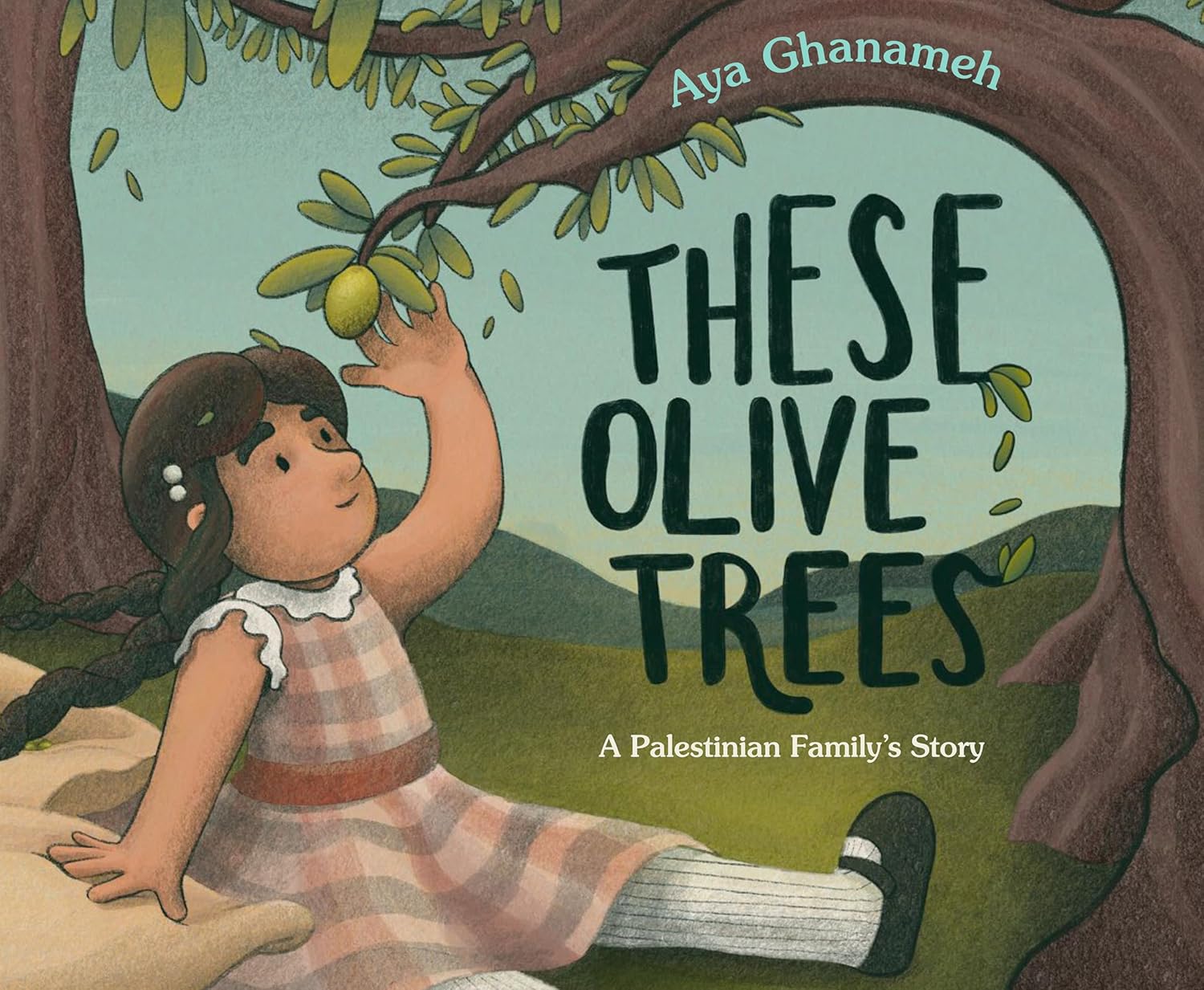
“The resilience of the olive trees parallels the resilience of the Palestinian people, and the author explores deep connection with the land. The act of planting the seed felt symbolic of planting a seed of resistance that would take root and would eventually lead the family back to their land in a liberated Palestine.” — Sam Ayala, about These Olive Trees


“The conditions in which abolitionist approaches will flourish won’t magically appear. They must be fought for and nurtured and defended. For those conditions to exist, we need to put in the steady work of eliminating the use of surveillance, policing, sentencing, and imprisonment, we need to practice operating without those systems and institutions. For those conditions to exist, we must create them.” — We Do This ‘Til We Free Us