Books can provide an opportunity for us to explore who we are and where we are from. Cultivating positive racial identities helps us to combat internalized racism and challenge the dominant narrative of white supremacy. Telling stories of empowerment and resistance allows us to reclaim and reshape the way we show up in community, and leads us toward a more connected, more compassionate future.
Racial Identity Development 10


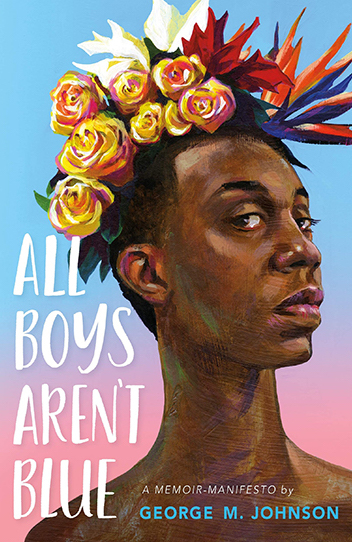
“The greatest tool you have in fighting the oppression of your Blackness and queerness and anything else within your identity is to be fully educated on it. Knowledge is truly your sharpest weapon in a world hell-bent on telling you stories that are simply not true.” — All Boys Aren’t Blue


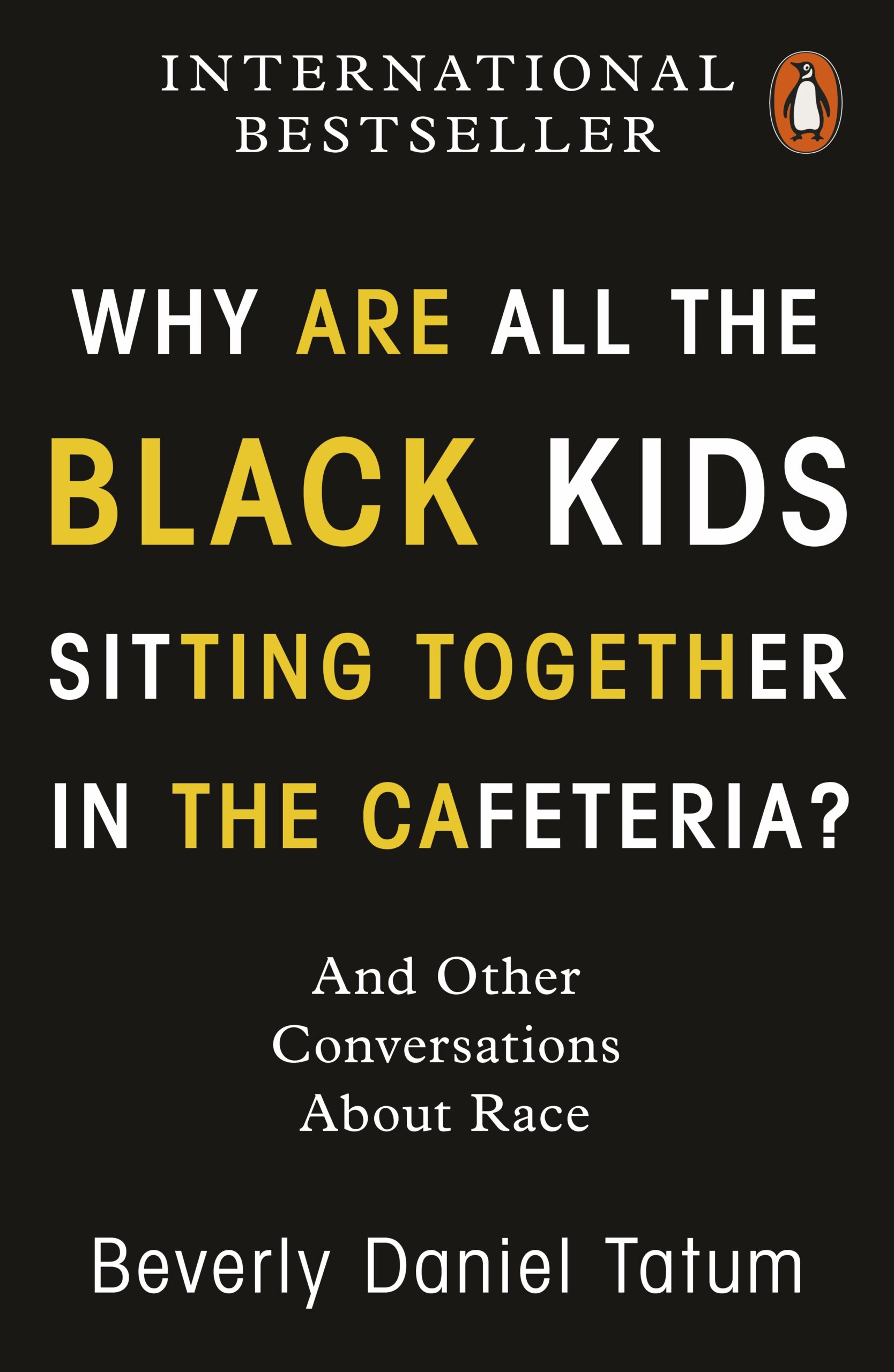
“This book asks the readers rhetorical questions to prompt analysis of their own actions and the environment around them. Additionally, Tatum shares a variety of stories of youth’s racial identity development, which support building a capacity to respond to prejudice and ‘-isms’ in a transformative way.” – Emmeline Jenkins, about Why Are All the Black Kids Sitting Together in the Cafeteria
“The author’s ability to touch upon the darkest parts of American history through her own experience was critical to understanding the changes her community fought so hard to implement. This book analyzes these difficult times as a way to show the reality of the stigma and racial discrimination, and how the author will continue to fight so diligently against them.” – Nanea Heidenfeldt, about Asian American Dreams: The Emergence of an American People


“This empowering children’s book shows the beauty and complexity of Blackness. It promotes positive racial identity for Black children and helps all young readers appreciate the many contributions of Black people to our history and culture.” – Sandra Soto, about Black is a Rainbow Color
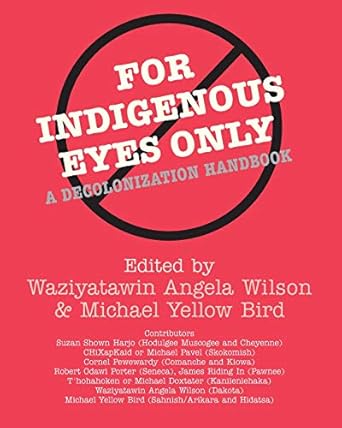
“As Indians, the most basic aspect of decolonization calls for us to accept individual and group responsibility for the fate of our ancestors. Failure to do so suggests that we have either been assimilated by accepting non-Indian intellectual, moral, and legal authority or that we have not acted in an appropriate manner towards ancestors.” —For Indigenous Eyes Only


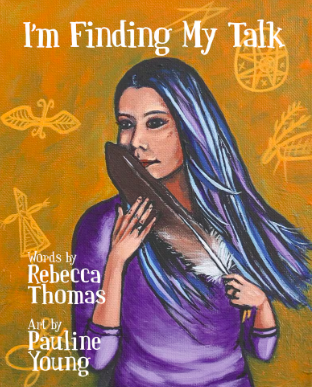
“This book beautifully shows a journey towards reengaging with family, language, and culture, and finding ways to keep it alive.” — Tanya Voloshin, about I’m Finding My Talk
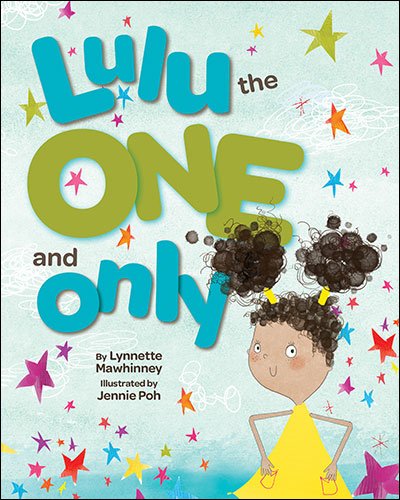
“Lulu names her joy in her cultural backgrounds and learns how to share that joy with others, naming her multi-racial identity as unique and valuable. It helps readers think about the question ‘what are you?’ and shift it to ‘who are you?’” — Jenn Hooke, about Lulu the One and Only


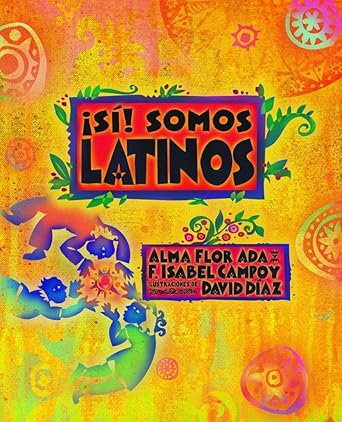
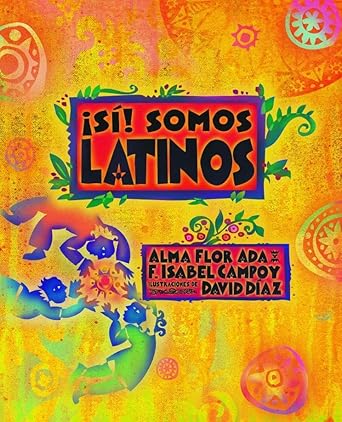
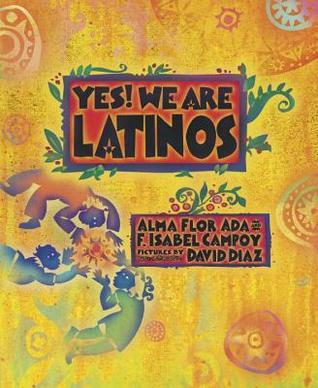
“This book delves into the unique challenges that individuals face as they navigate societal perceptions of their identity. The narrative highlights the need for Latinos to frequently explain their cultural backgrounds and experiences to others, shedding light on the broader implications of racial stereotypes and misunderstandings.” — Anay Aceves-Martinez, about ¡Sí! Somos Latinos
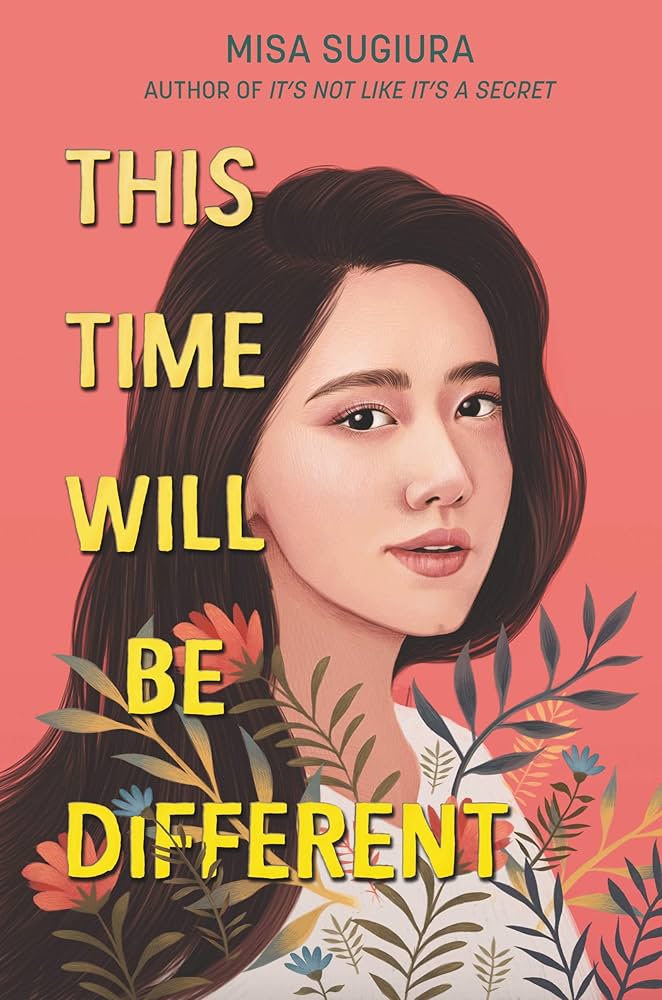
“This sweet book, seemingly about high school relationships and teenage angst, explores the impacts of Japanese incarceration on a family that spans generations. Readers learn how different members of the Asian community (even within the same family) respond to the model minority myth. The book also touches on intersectionality with other forms of identity taking the stage often.” — Guadalupe Cardona, about This Time Will Be Different


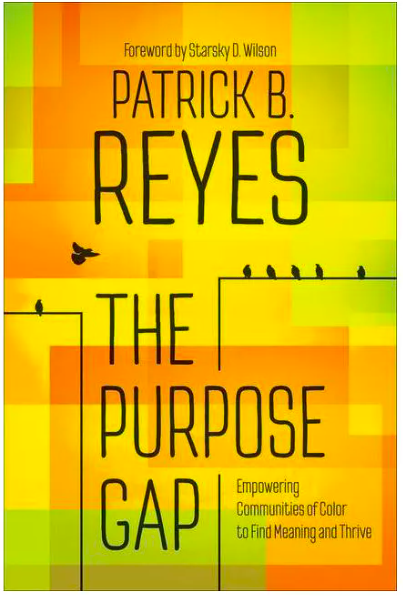
“The wisdom of my ancestors guides me and leads me. Next time someone of my hue or tone, or our brothers and sisters, primos and primas, look for literature to help find meaning and purpose, they will have in this book something that reflects both their reality and their beauty.” — The Purpose Gap
Racial Identity Development 20


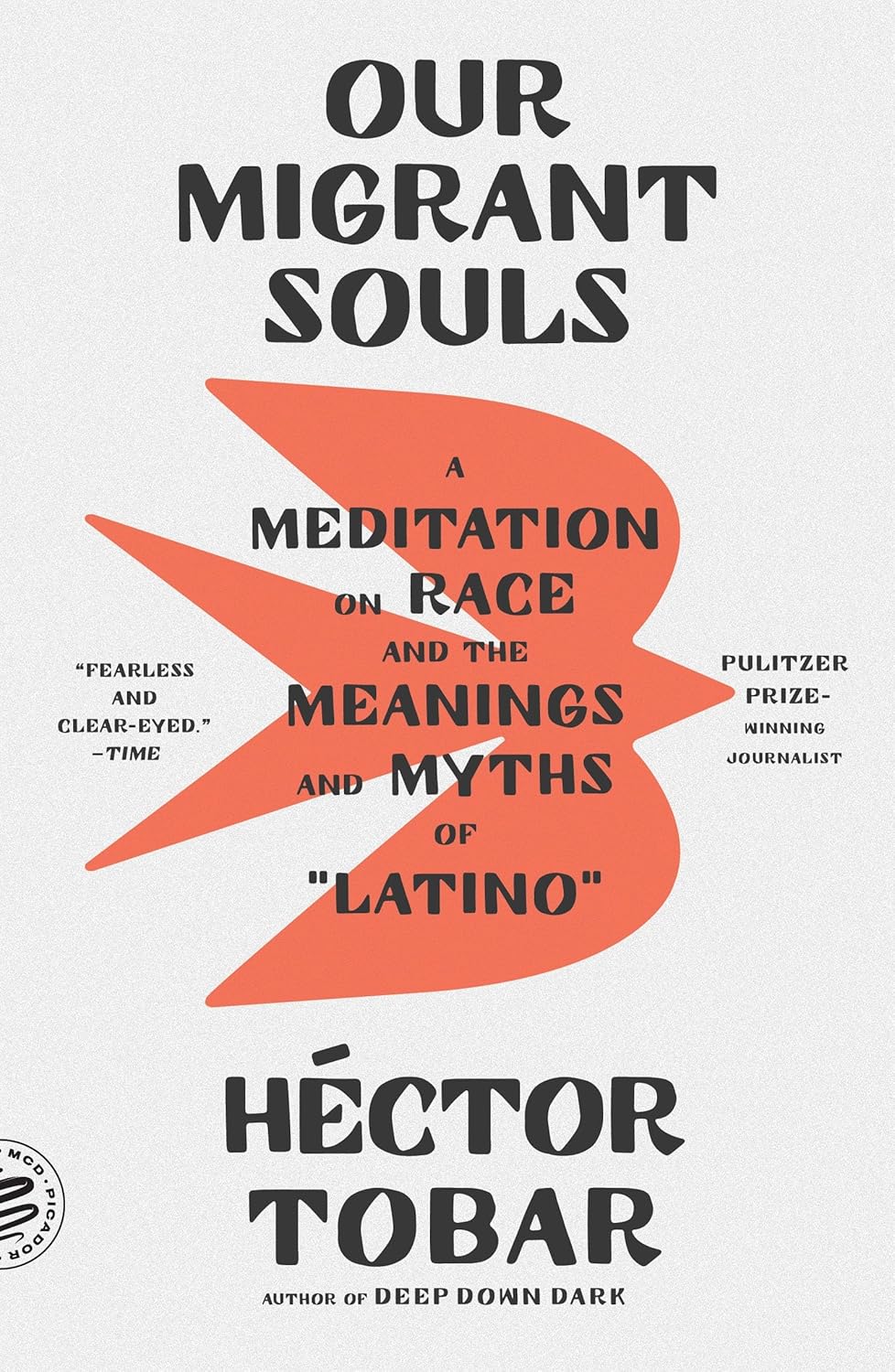
“The Latino experience is one of beauty and resilience, of struggle and survival. Our stories are not just tales of migration but of enduring and flourishing in the face of adversity.” — Our Migrant Souls
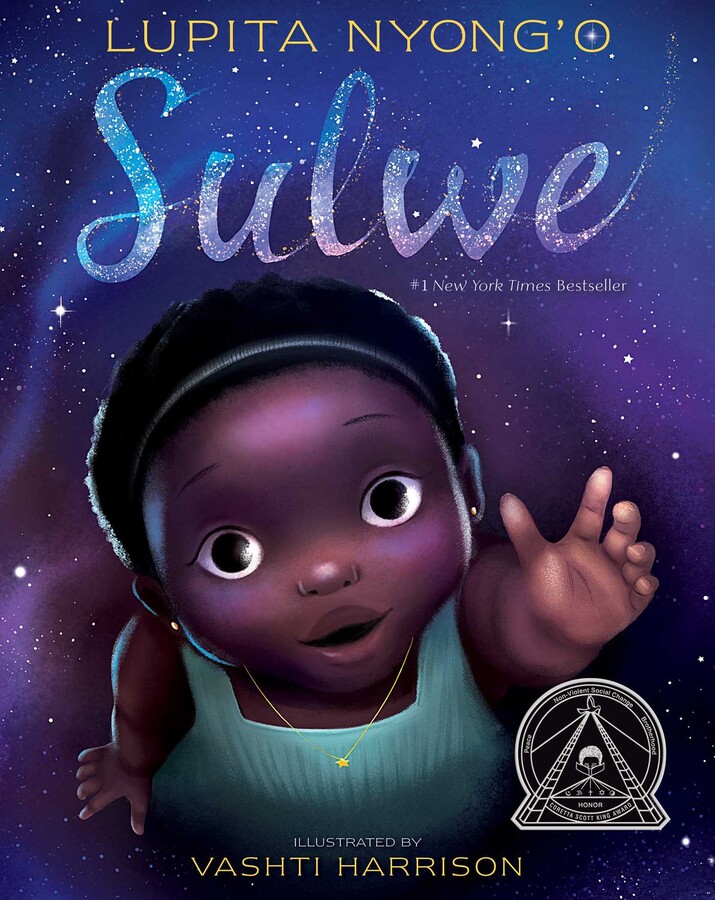
“Sulwe does an amazing job of addressing colorism in an age-appropriate way. It encourages readers to have confidence and pride in their own skin, even if they don’t share similar traits with their family or peers. It’s an amazing story that will transform many readers’ perceptions of what is beautiful, and how everything around them is beautiful.” — Kiki Franklin, about Sulwe


“This book has beautiful illustrations and lyrical prose. It shows how important her culture is to the character, and how it makes her feel that her eyes are beautiful because she shares them with the positive people in her life. It promotes the idea of self-love over fitting into any box.” — Julianne Rathbone, about Eyes That Kiss in the Corners
“For Indigenous Eyes Only is a decolonization handbook that provides both historical context and practical strategies for reclaiming Indigenous sovereignty. It invites readers to analyze colonial structures critically while offering concrete tools for cultural renewal, political self-determination, and community healing. By combining historical truth-telling with calls to action, it builds the capacity to envision and work toward transformative liberation.” — Sam Cruz, about For Indigenous Eyes Only


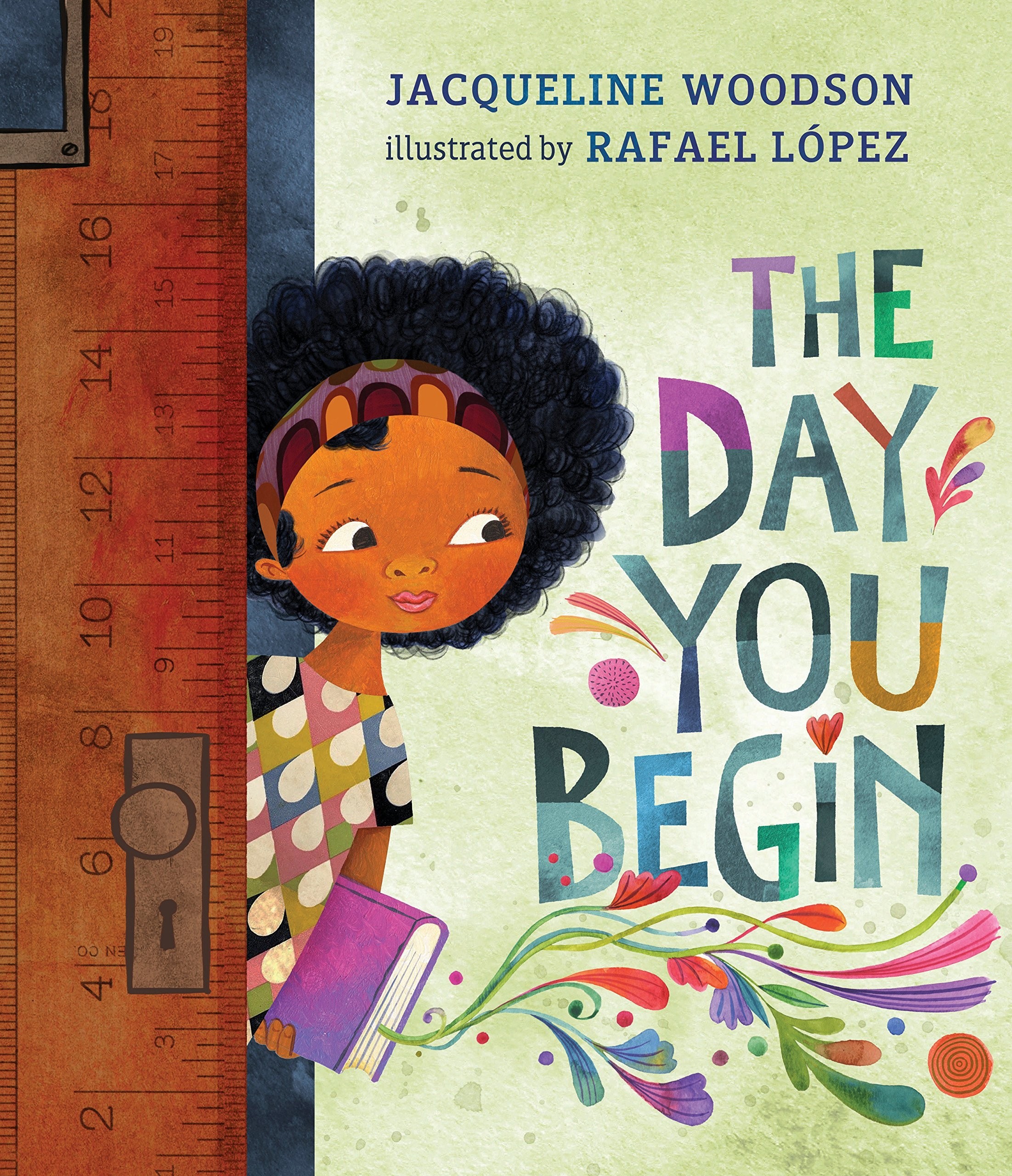
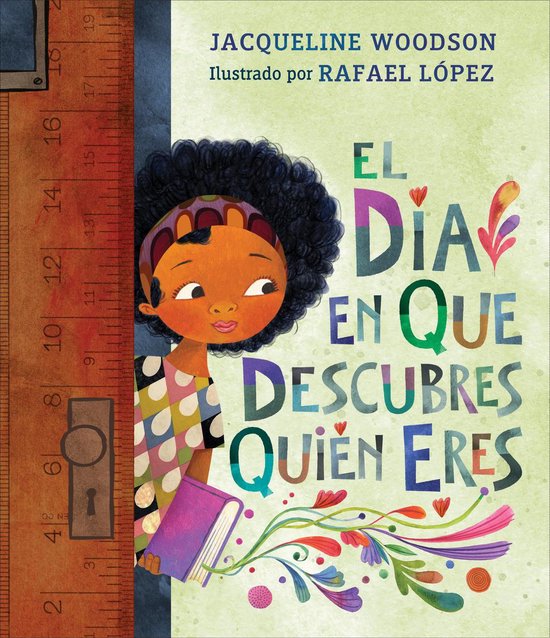
“The Day You Begin is a picture book about identity and belonging. It encourages people to share their life stories to make connections with people they may not have thought they could. It promotes a sense of self-esteem while still acknowledging that some people may get discriminated against based on their skin color, ethnicity, or class.” — Fatima Sanchez Pedroza, about The Day You Begin
“This book uses vignette-style glimpses into the daily life of the protagonist to interrogate the many ways her life is impacted by institutionalized racism, classism, and patriarchy. Because the main character is still coming of age and developing her understanding of larger systems, the critiques of the world into which she’s entering are nuanced, and her exploration of identity is meaningful and compelling.” — Benji Astrachan, about La Casa en Mango Street


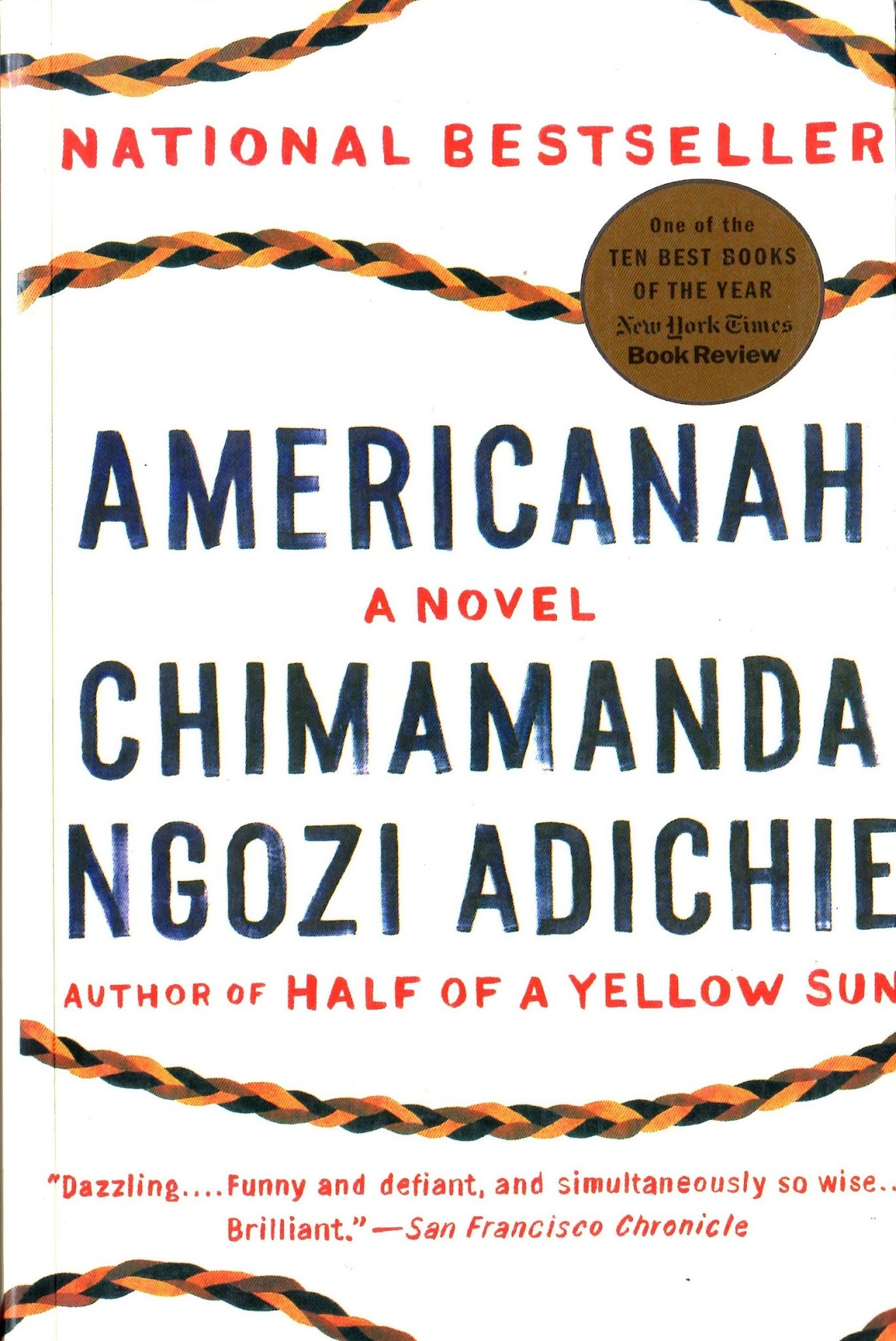
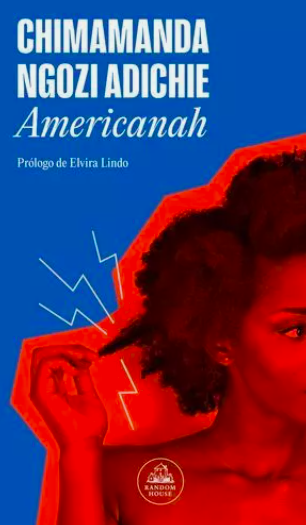
“The only reason you say that race was not an issue is because you wish it was not. We all wish it was not. But it’s a lie. I came from a country where race was not an issue; I did not think of myself as black and I only became black when I came to America. When you are black in America and you fall in love with a white person, race doesn’t matter when you’re alone together because it’s just you and your love. But the minute you step outside, race matters. But we don’t talk about it.” — Americanah
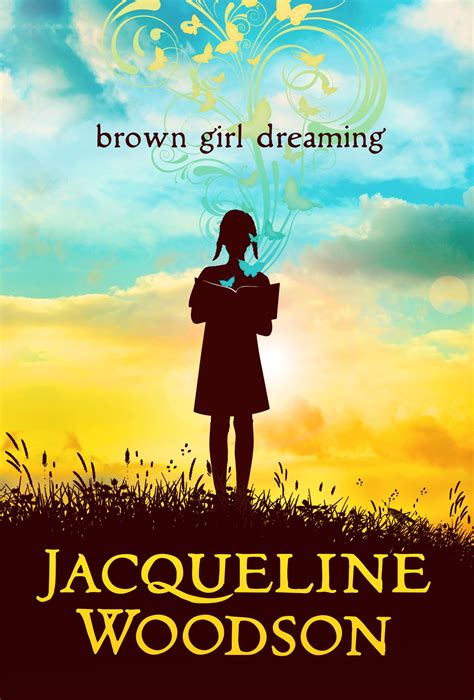
“Through short poems, this book explores the life of a young African American girl growing up in the 60s-70s. The author seamlessly bases a conversation about race and the tensions and impact within stories of her everyday life allowing the reader to relate. She sets the poems in a foundation of her family’s struggles and triumphs, both current and the ancestors that came before her.” — Tasia Rechisky, about Brown Girl Dreaming


“This book affirms and celebrates the wide diversity and beautiful culture of Latinx people. Poetry tells the story, perspective, joys or challenges of a young person. Each poem is followed by prose which tells the history which led to a group’s immigration, emigration, challenges, and triumphs. Transforming and healing ideas are woven in.” — Carole Joyce, about Yes! We Are Latinos
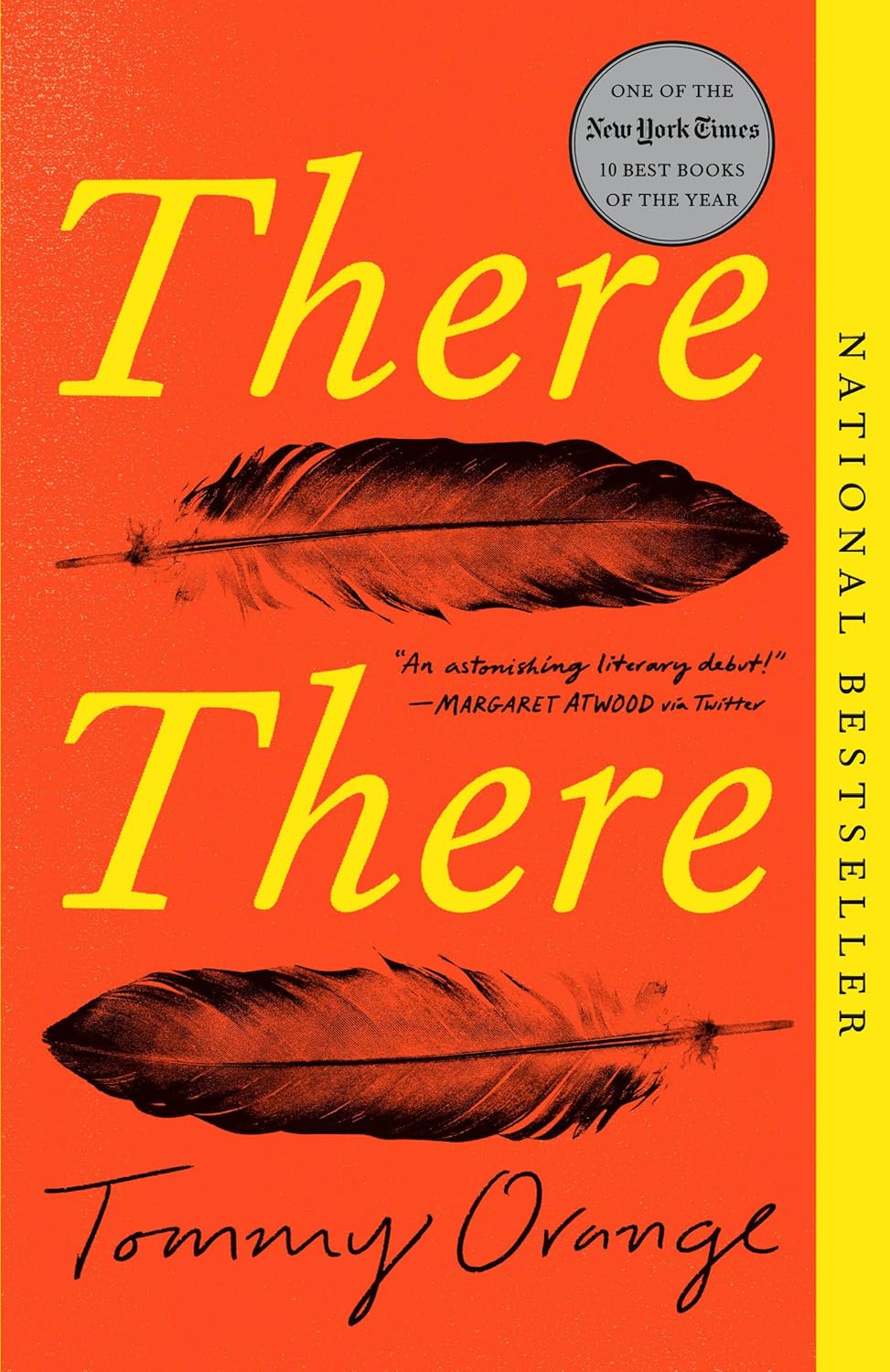
“In There There, each character is thoughtfully portrayed in a multi-dimensional way – their thoughts, desires, fears, regrets, and all the small details of life and how they live it. The book shows how Indigenous people living in Oakland are all interconnected in some form or another and face many of the same struggles in life. Each character answers in their own creative way.” — Emma Kalff, about There There


“Y, de repente, en ese sitio donde nadie es como tú, el mundo se abre un poco para hacerte un lugar.” — El día en que descubres quién eres
“You will always be Esperanza. You will always be Mango Street. You can’t erase what you know. You can’t forget who you are.” — The House on Mango Street


“The Land is about a mixed race boy growing into adulthood. He explores his race and the precarious position it places him in and the community and love and care it brings him as well as the hatred. He works against the white supremacist world he lives in and there are plenty of people – Black and white – who help him, sometimes at risk to themselves. The author of this book is clearly trying to advocate for racial equality by presenting every main character as a fallible, complete human.” — Hawk Hawkins, about The Land
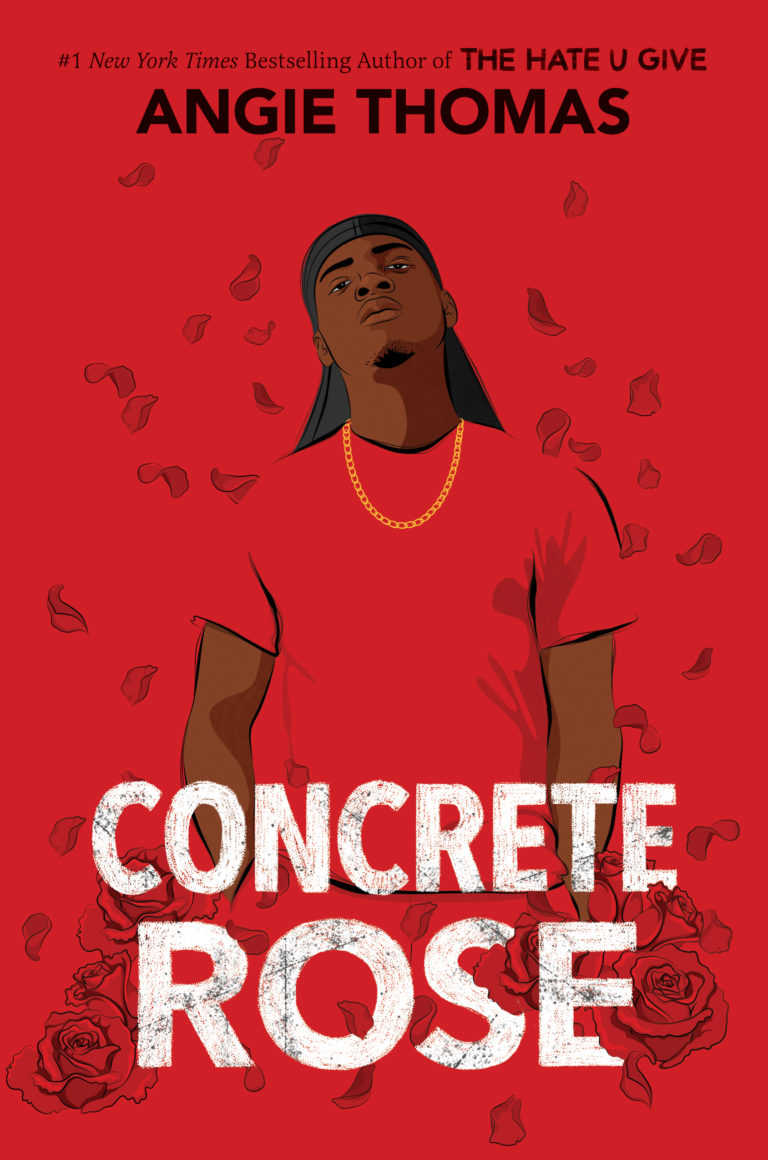
“One of the biggest lies ever told is that Black men don’t feel emotions. Guess it’s easier to not see us as human when you think we’re heartless. Fact of the matter is, we feel things. Hurt, pain, sadness, all of it. We got a right to show them feelings as much as anybody else.” — Concrete Rose


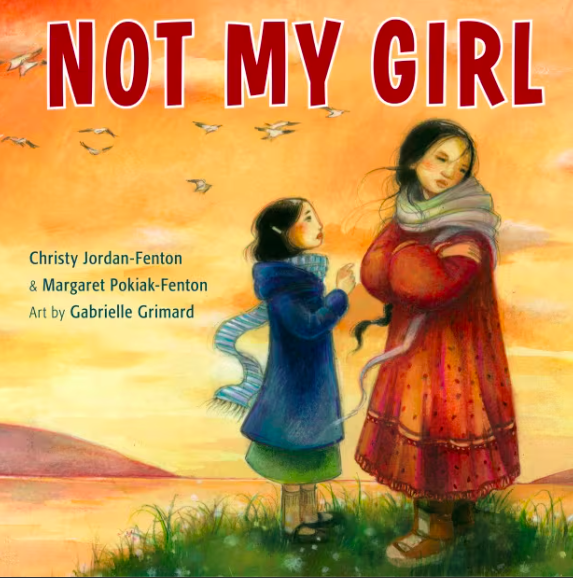
“Not My Girl tells a touching, personal story about how colonialism and residential schools affected Indigenous children. It shows the journey of finding and reclaiming one’s identity and heritage. With its strong story and beautiful pictures, it’s an important book for learning about positive racial identity and understanding different perspectives.” — Cynthia Christmas, about Not My Girl
“This book celebrates the diversity of the Latinx experience in the United States. Free-verse narratives from writers’ perspectives provide stories and circumstances for readers to better understand Latinx identity.” — Joy Parikh, about ¡Sí! Somos Latinos


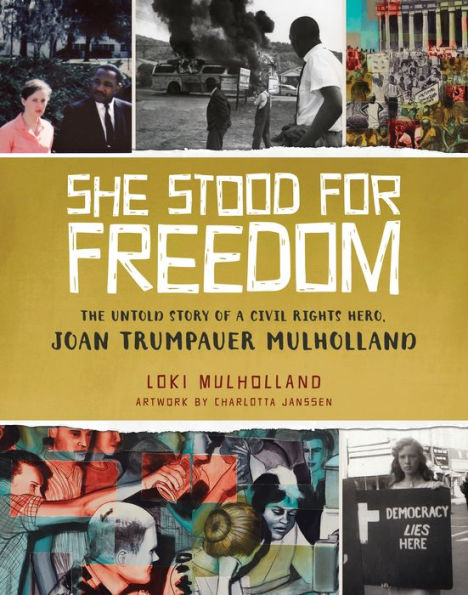
“She Stood for Freedom does a great job of showing white folks noticing racism and working against it without centering white folk. Joan makes it very simple; segregation and racism are fundamentally unfair. It’s not fair for the oppressed, it’s not fair for the (willing or unwilling) oppressor. And the construction of a positive racial identity requires noticing “the rules,” examining them, and deciding whether or not you want to live by them.” — Matt Neumann, about She Stood for Freedom
“This book shows the journey of two people who realized their race and nationality were things to love about themselves rather than be ashamed of.” — Ayla Prusko, about Americanah


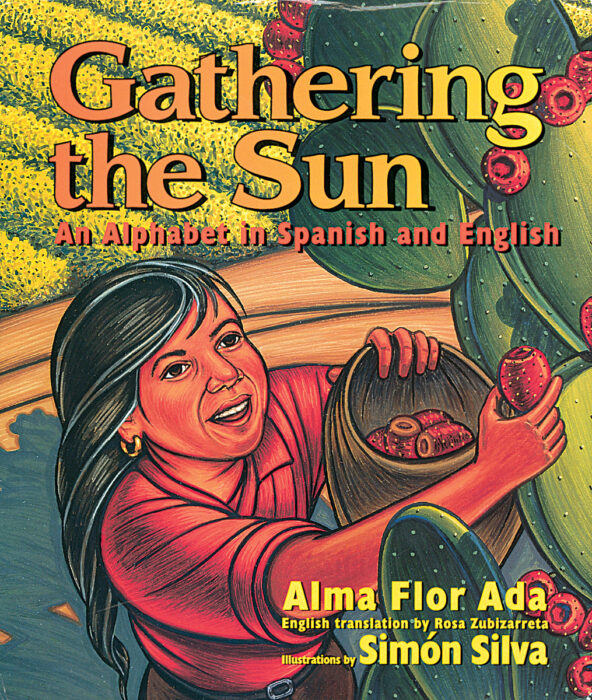
“Gathering the Sun beautifully captures the essence of the Latinx farmworker community through vibrant illustrations and evocative poetry. It celebrates the strength, resilience, and contributions of farmworkers, providing young readers with a window into their world. This bilingual book promotes empathy, cultural appreciation, and a deeper understanding of the importance of agriculture and the people who make it possible.” — Cynthia Christmas, about Gathering the Sun
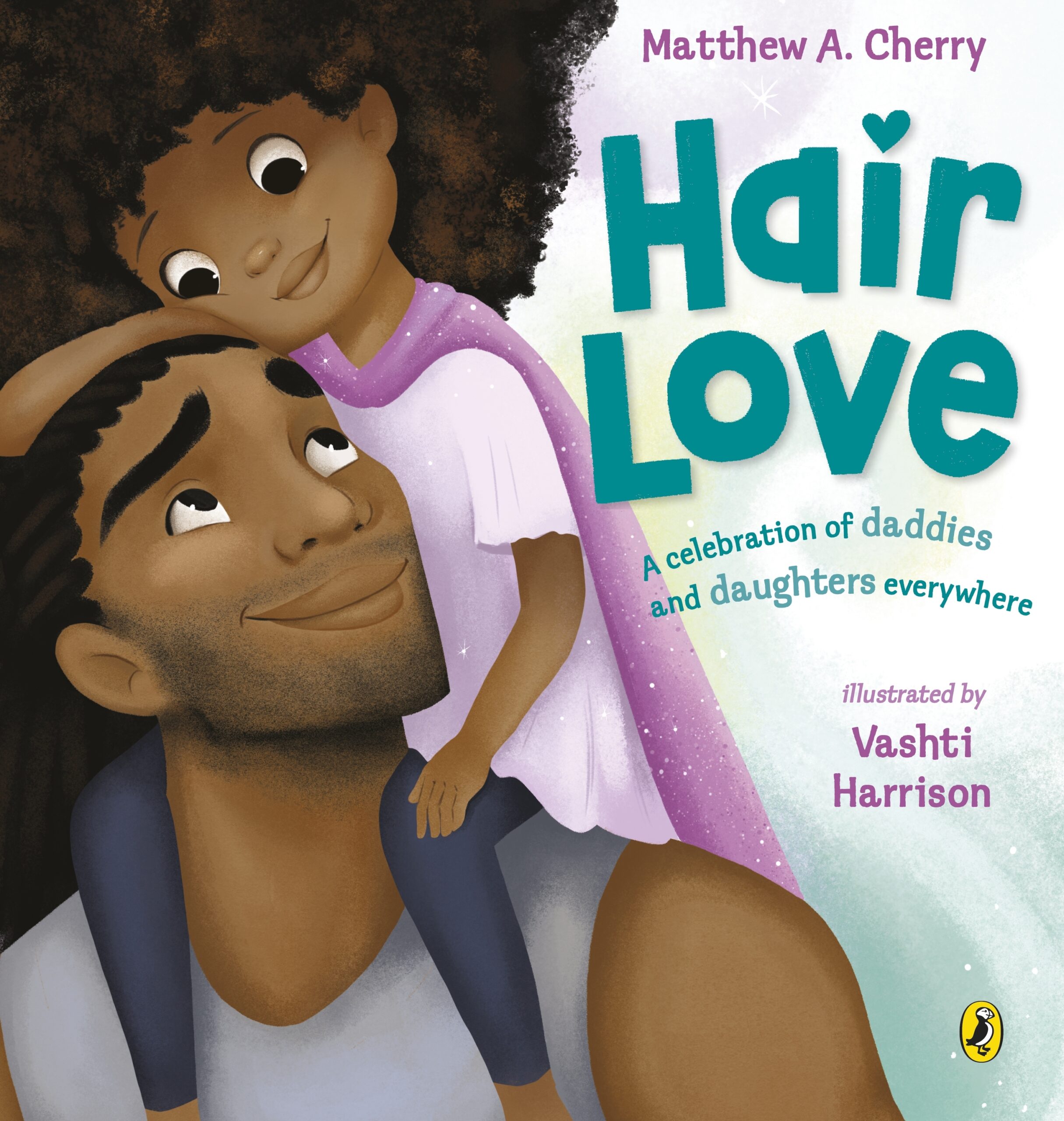
“Daddy tells me my hair is beautiful. That makes me proud. I love that my hair lets me be me!” — Hair Love