Books can raise awareness of the racial injustice in the world around us. When we look closer at our current systems and the history behind them, we discover a clearer picture of how we got here. Racism is not a result of a broken system — it is infused, with purpose, into the structures that affect our everyday lives. We have a responsibility to critically reflect so that we can build something different.
Critical Consciousness 10


“It is necessary… to start with the origin of the United States as a settler-state and its explicit intention to occupy the continent. These origins contain the historical seeds of genocide. Any true history of the United States must focus on what has happened to (and with) Indigenous peoples—and what still happens.” — An Indigenous People’s History of the United States


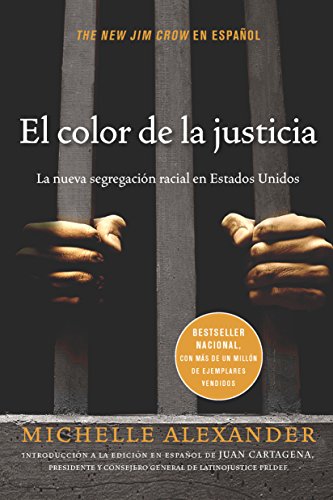
“Lo que es dolorosamente obvio al dar un paso atrás de casos individuales y políticas específicas es que el sistema de encarcelamiento masivo opera con una sorprendente eficiencia para barrer a las personas de color de las calles, encerrarlas en jaulas y luego liberarlas en un estatus inferior de segunda clase.” — El color de la justicia: La nueva segregación racial en Estados Unidos
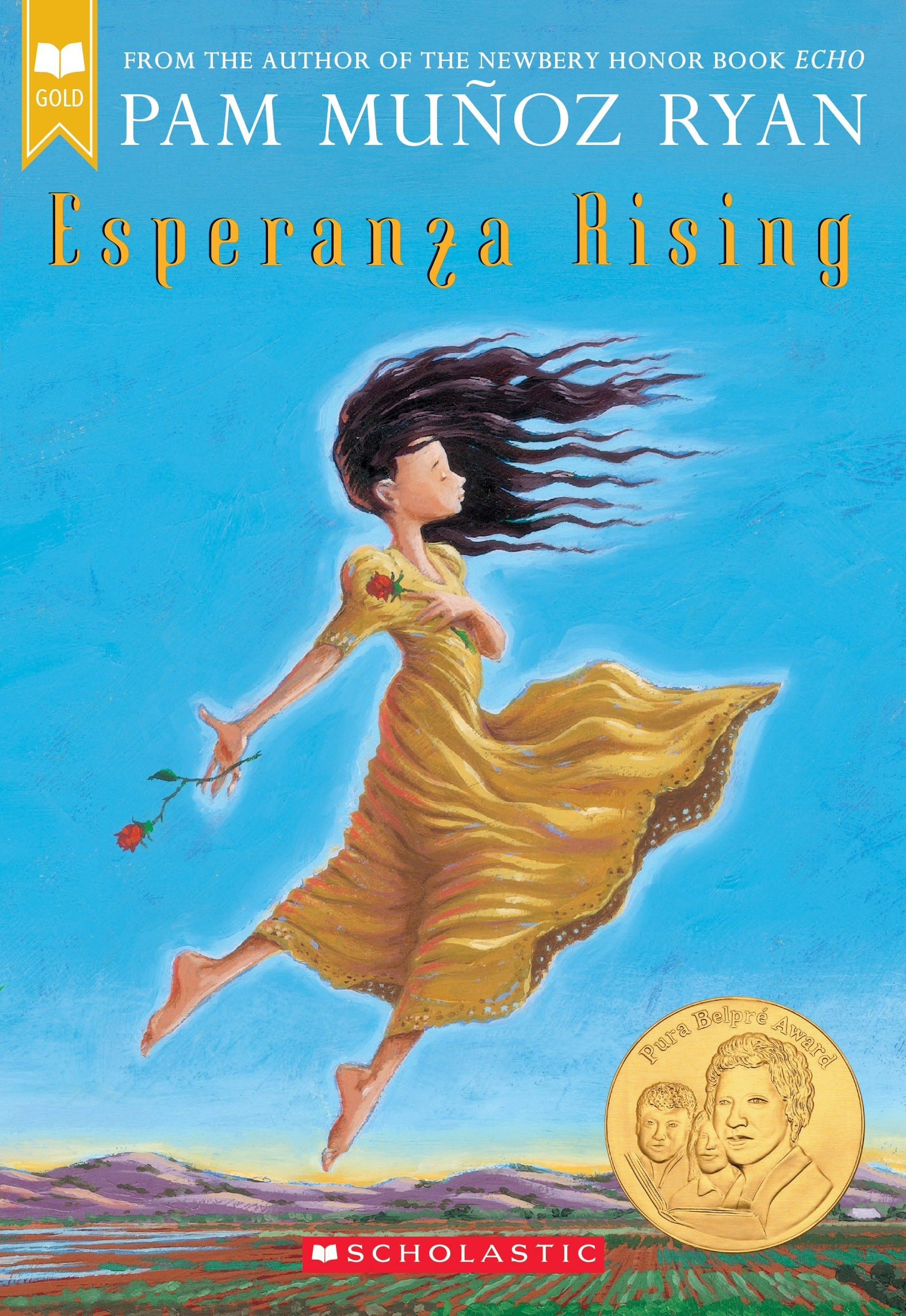
“Esperanza, people here think that all Mexicans are alike. They think that we are all uneducated, dirty, poor, and unskilled. It does not occur to them that many have been trained in professions in Mexico. . . . Americans see us as one big, brown group who are good for only manual labor.” — Esperanza Rising


“Though all of these stories highlighted difficult situations, it provides a well-rounded understanding for readers to understand more about Asian Americans. Park Hongʻs historical explanations and narrative may continue to make the reader uncomfortable, but that potential discomfort is what pushes readers to face misconceptions about Asian Americans and/or build deeper understanding and hopefully solidarity in the process.” — Brianne Imada, about Minor Feelings: An Asian American Reckoning
“I have NEVER seen a kids book talk about the Black Panther Party at all, so to see one that does it with this wonderful viewpoint of their economic empowerment programs and how kids could use creativity to contribute to the cause was really beautiful to see. The book can help kids see how they too can be an important part of a cause or movement.” — Jenn Hooke, about One Crazy Summer


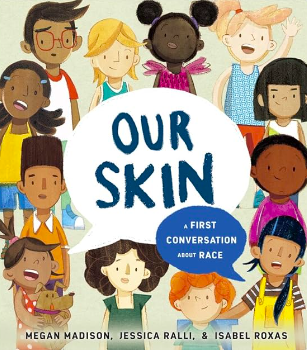
“This book is very concise in its explanation of racism and doesn’t sugar coat anything while still keeping a positive tone… It doesn’t shame the kids for accidental actions, but it does point them out so kids who are new to anti-racism can know better next time.” — Ayla Prusko, about Our Skin: A First Conversation about Race
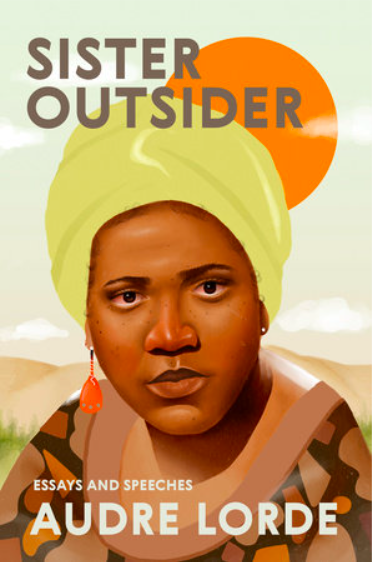
“Racism and homophobia are real conditions of all our lives in this place and time. I urge each one of us here to reach down into that deep place of knowledge inside herself and touch that terror and loathing of any difference that lives here. See whose face it wears. Then the personal as the political can begin to illuminate all our choices.” — Sister Outsider


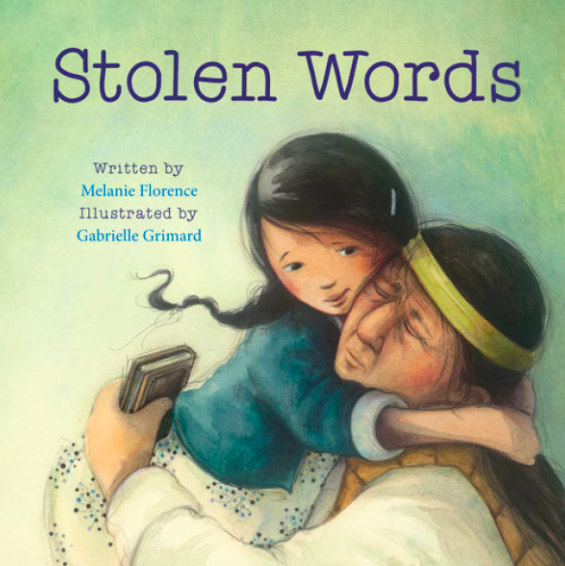
“This book is incredibly moving. It illustrates the experience of the grandfather in residential schools, and specifically naming white people as the perpetrators of oppression, which I think many children’s books about residential schools avoid. It also supports responding in creative and transformative ways through relearning the language that was stolen from them.” –Alex Ellefson, about Stolen Words
“When the Khalils get arrested for selling drugs, they either spend most of their life in prison, another billion-dollar industry, or they have a hard time getting a real job and probably start selling drugs again. That’s the hate they’re giving us, baby, a system designed against us. That’s Thug Life.” — The Hate U Give


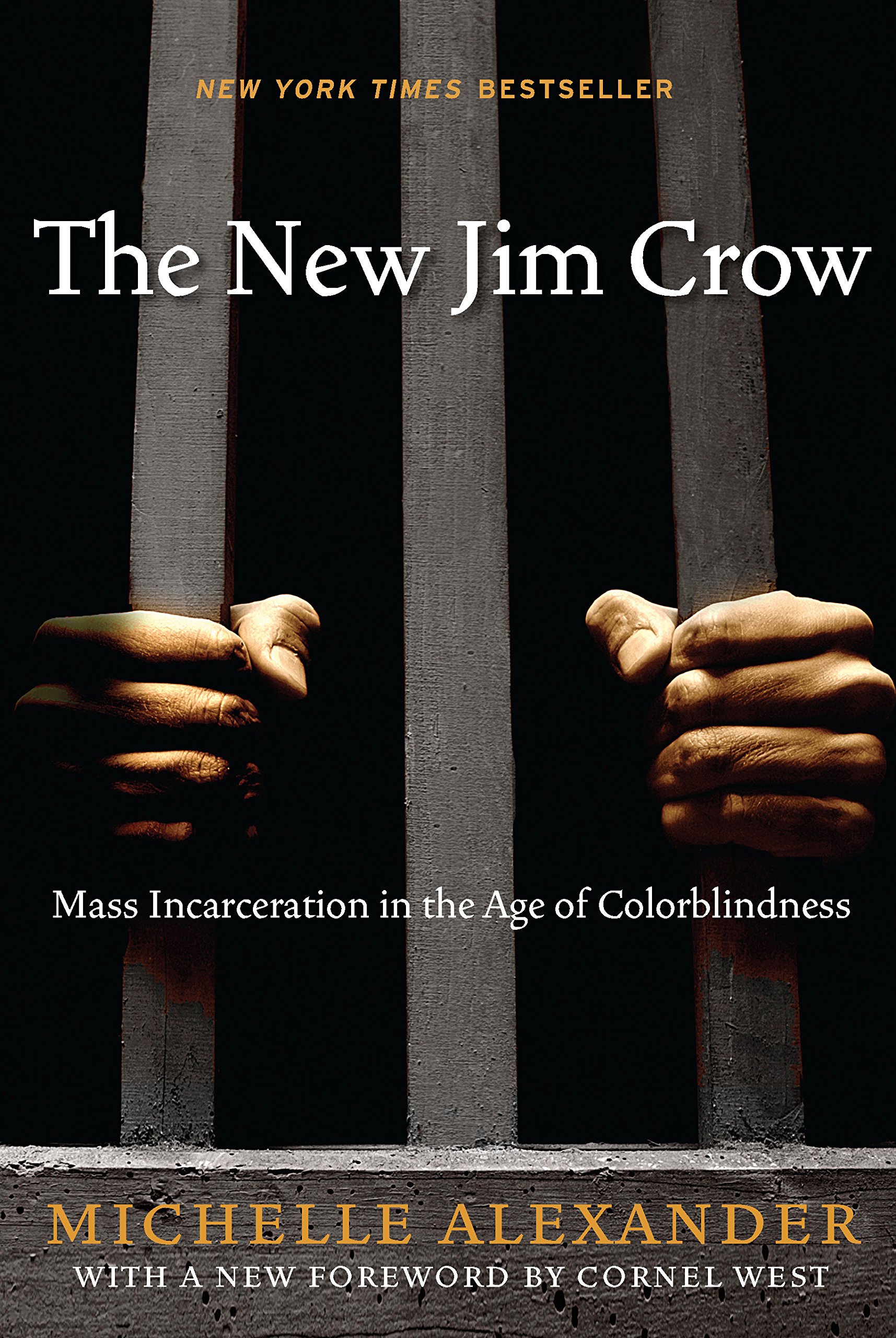
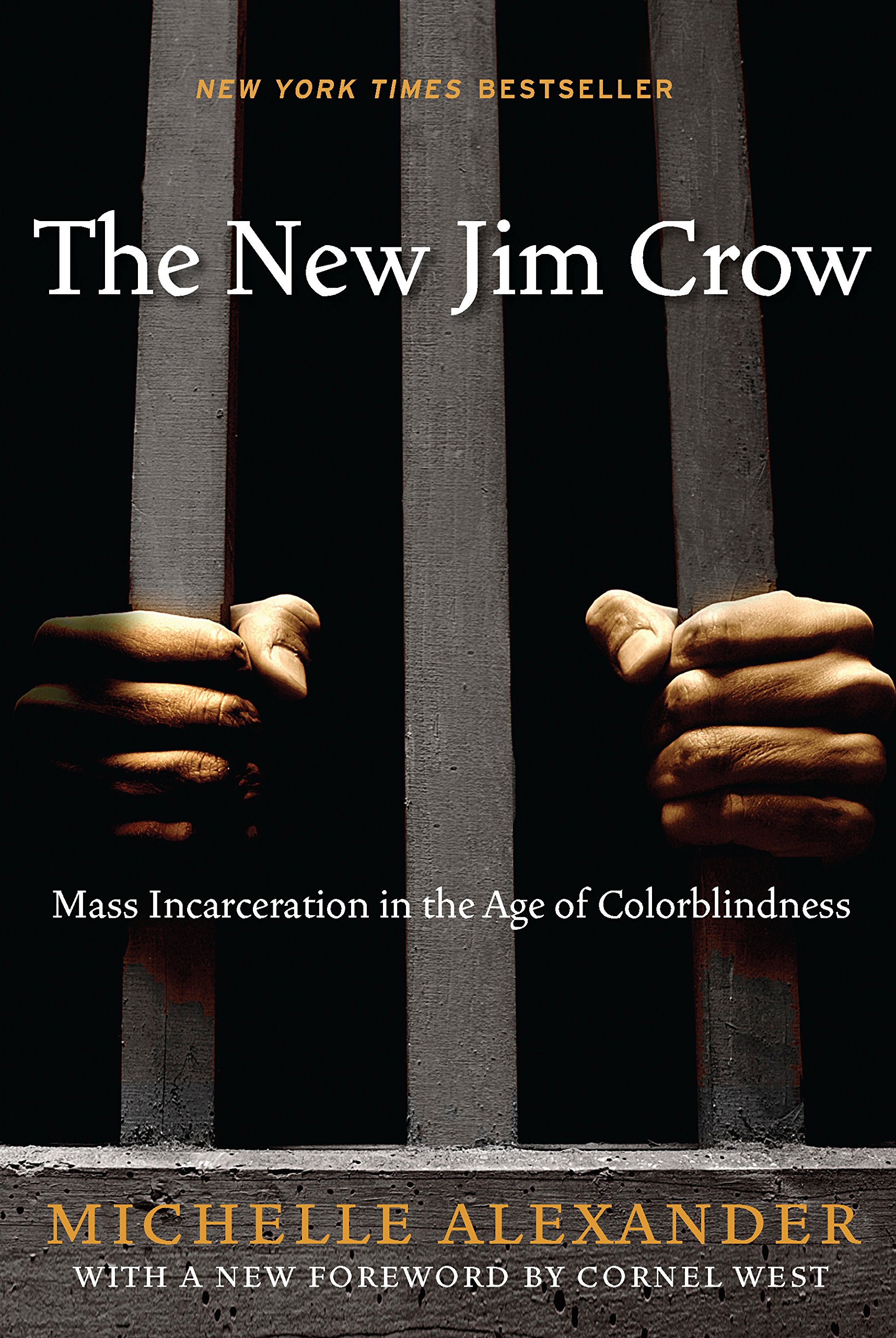
“This book should be a 101 course study for anyone wanting to understand the system and harm of racism in the United States. This book gives a detailed account of how and why racism is the way it is in the US. It does not shy away from making people feel uncomfortable about their own privileges and offers many solutions to eliminating racism.” — Amanda Richardson, about The New Jim Crow
Critical Consciousness 20


“By focusing on the personal stories of the characters, Watson promotes a deeper awareness of environmental justice and the importance of community support. The book encourages readers to think critically about how disasters affect marginalized communities and the systemic inequalities that exacerbate these impacts, thereby fostering a more compassionate and proactive approach to societal challenges.” — Cynthia Christmas, about A Place Where Hurricanes Happen


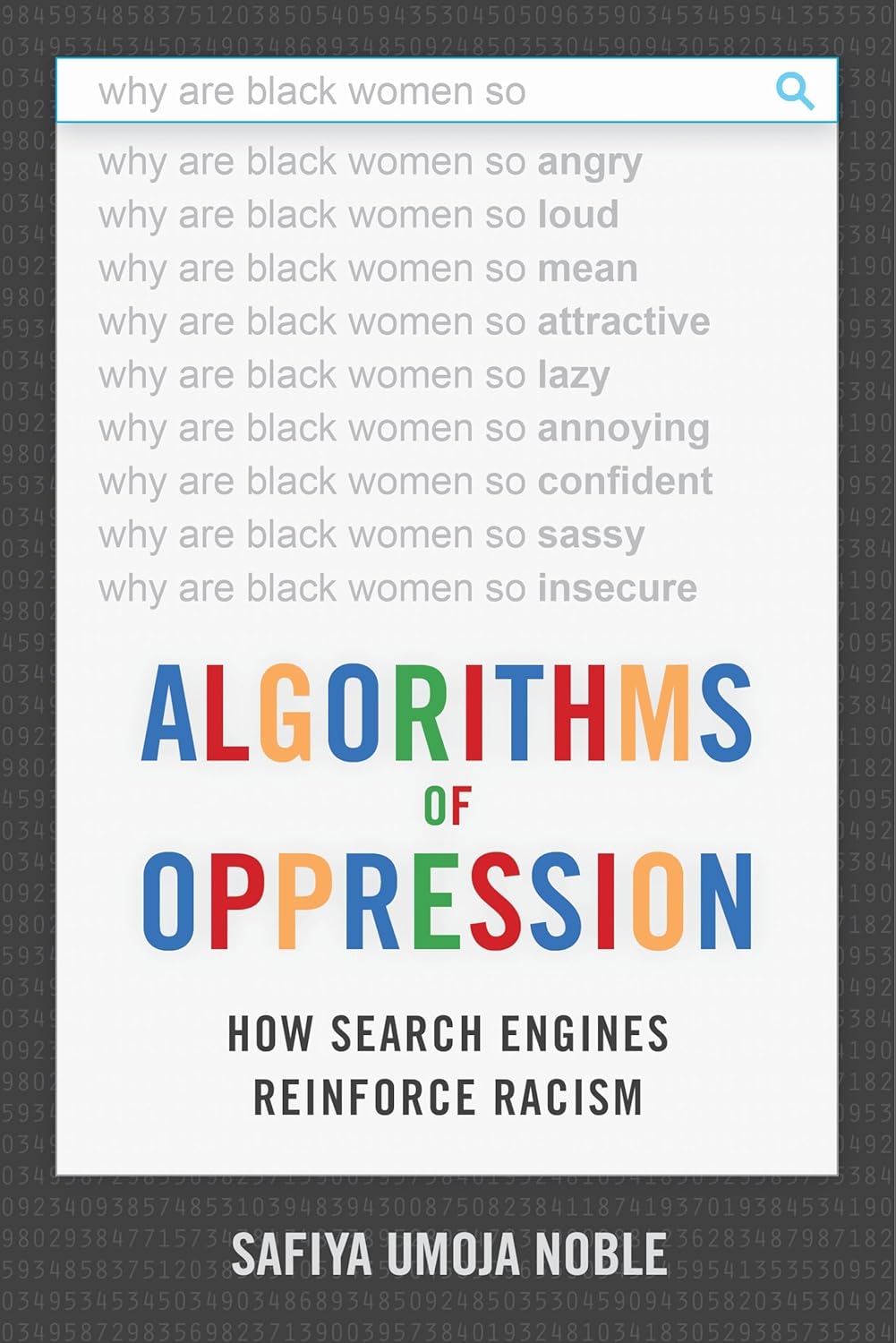
“Noble presents clear examples of how racism manifests in online searches and also gives understandable explanations for how this happens. This book is empowering because of the way it exposes flaws of online search, a tool that many people use every day without critically analyzing.” — Brianne Imada, about Algorithms of Oppression: How Search Engines Reinforce Racism
The author uses personal stories to highlight historical moments in a really compelling way. She includes dates and details about overarching events but almost always includes individual and family experiences to highlight how these impacted actual human beings… The book starts out by discussing the racialized violence of the COVID pandemic that impacted Asian Americans and traces this back to the 1800s when anti-immigration and racist sentiments equated Asian bodies with disease in an attempt to exclude and segregate them.” — Margaret Walker, about Asian American Histories of the United States


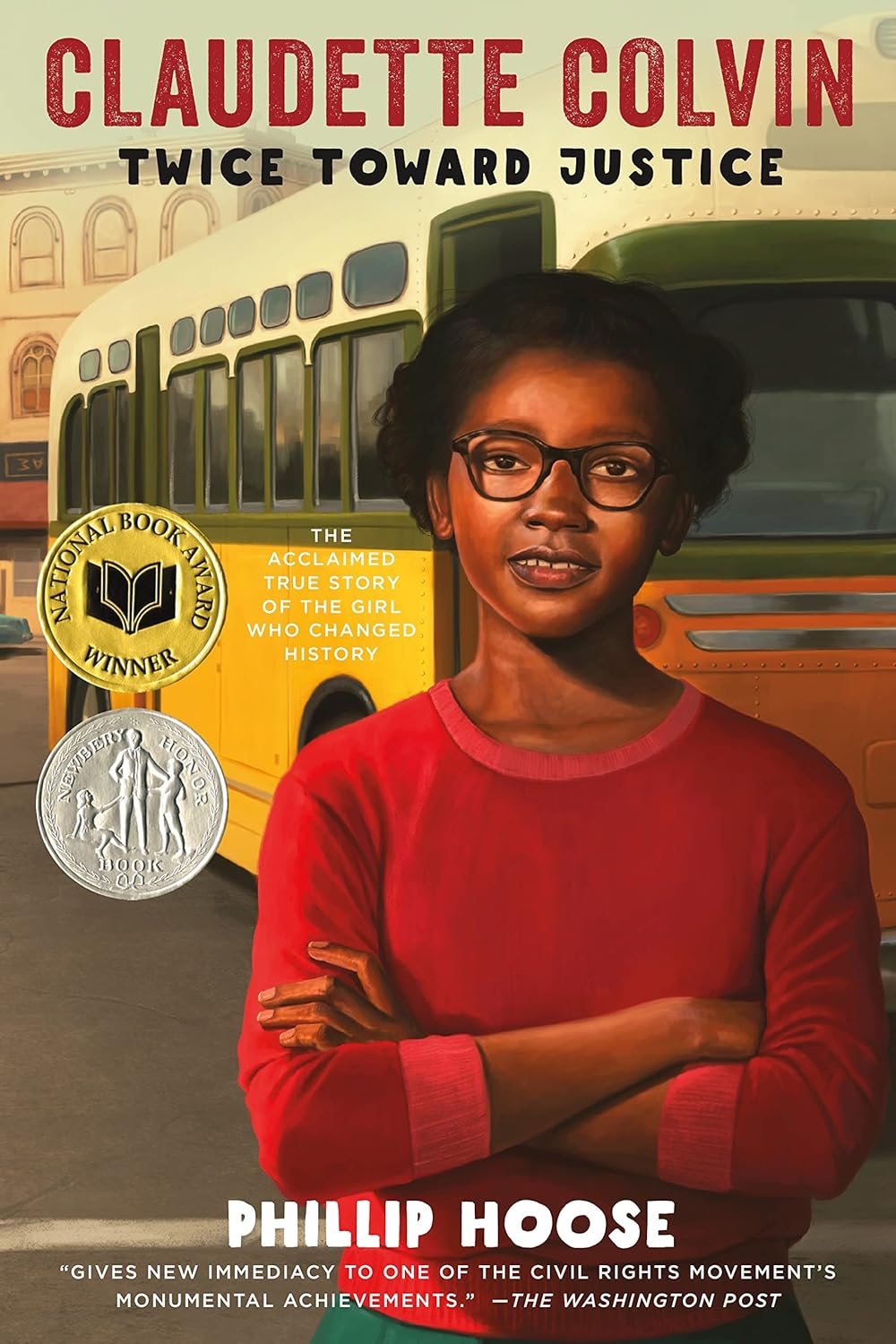
“We were supposed to be an English literature class, but Miss Nesbitt used literature to teach real life. She said she didn’t have time to teach us like a regular English teacher–we were too far behind. Instead, she taught us the world through literature.” — Claudette Colvin: Twice Toward Justice
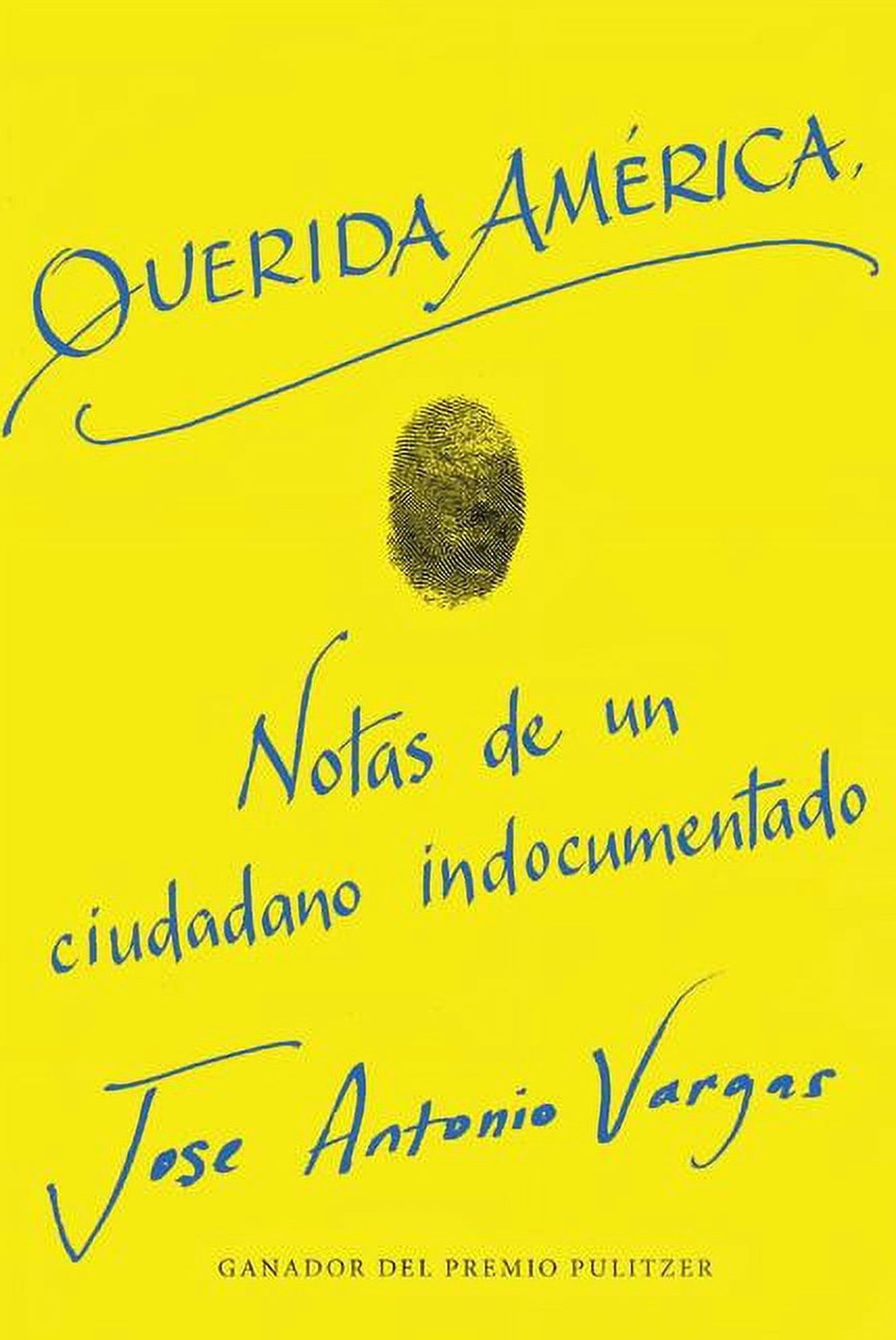
“Spending billions building fences and walls, locking people up like livestock, deporting people to keep the people we don’t want out, tearing families apart, breaking spirits– all of that serves a purpose… And step by step, this immigration system is set up to do exactly what it does. Dear America, is this really what you want? Do you even know what is happening in your name? I don’t know what else you want from us. I don’t know what else you need us to do.” — Dear America, Notes of an Undocumented Citizen


“Michelle Alexander describes how those in power have created institutions to keep forms of slavery and segregation in place… Once we all acknowledge this, we can unite and come together to make the necessary changes.” — Ryan Stone, about El color de justicia
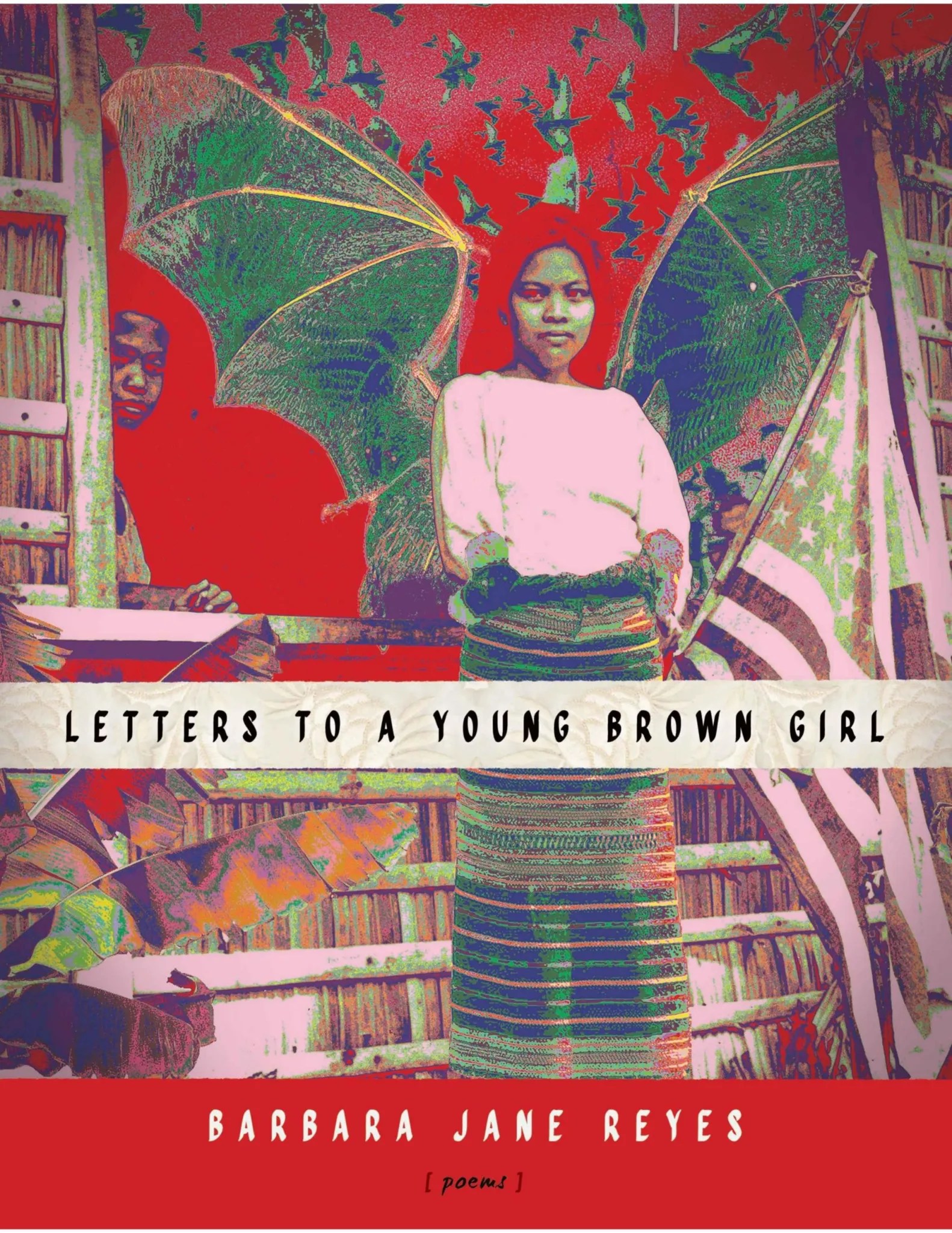
“Barbara Jane Reyes dives into how young brown girls are often overlooked, neglected and stereotyped. She uses different structures to explore the daily life, struggles and triumphs they face in a society that wants them to “fit in,” but also was never built for them to truly belong.” — Tasia Rechisky, about Letters to a Young Brown Girl


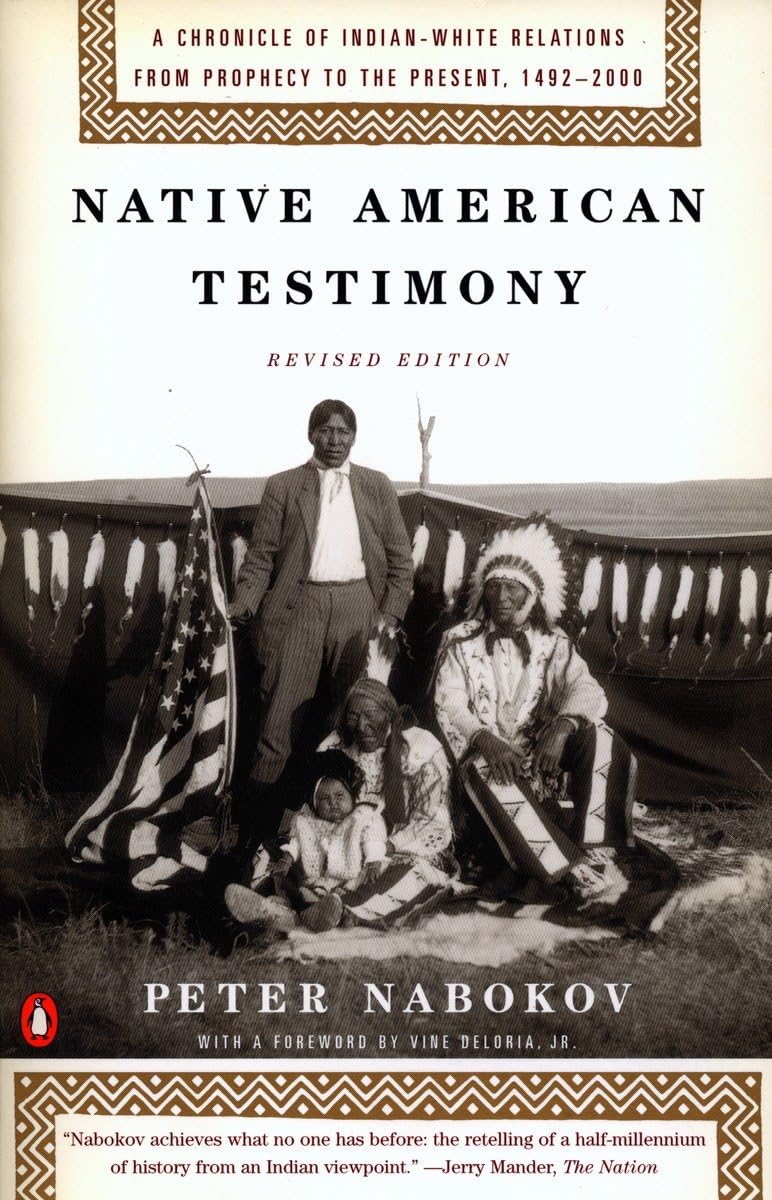
“This book profoundly shifted my understanding of United States history. To read this nearly 500-page book is to gain intimate knowledge of the centuries of broken promises made by white settlers, to study the intricacies of their relentless evil schemes to undermine and control Native people. The book also gives the reader a personal window into how these historical events impacted real people at the time. Each historical event and era has its own testimony from a Native person, sharing how it impacted them.” — Emma Kalff, about Native American Testimony
“Our Skin introduces children to racial diversity and gives straightforward examples of racism in an age-appropriate way. It points out that people can have stereotypes of others without even knowing it and shows how we can try to alleviate them.” –Victor Nguyen, about Our Skin


“The more radical the person is, the more fully he or she enters into reality so that, knowing it better, he or she can transform it. This individual is not afraid to confront, to listen, to see the world unveiled. This person is not afraid to meet the people or to enter into a dialogue with them. This person does not consider himself or herself the proprietor of history or of all people, or the liberator of the oppressed; but he or she does commit himself or herself, within history, to fight at their side.” — Pedagogy of the Oppressed
“Después de 25 años viviendo ilegalmente en un país que no me consideró uno de los suyos, este libro es lo más cercano a libertad que tengo.” — Querida América


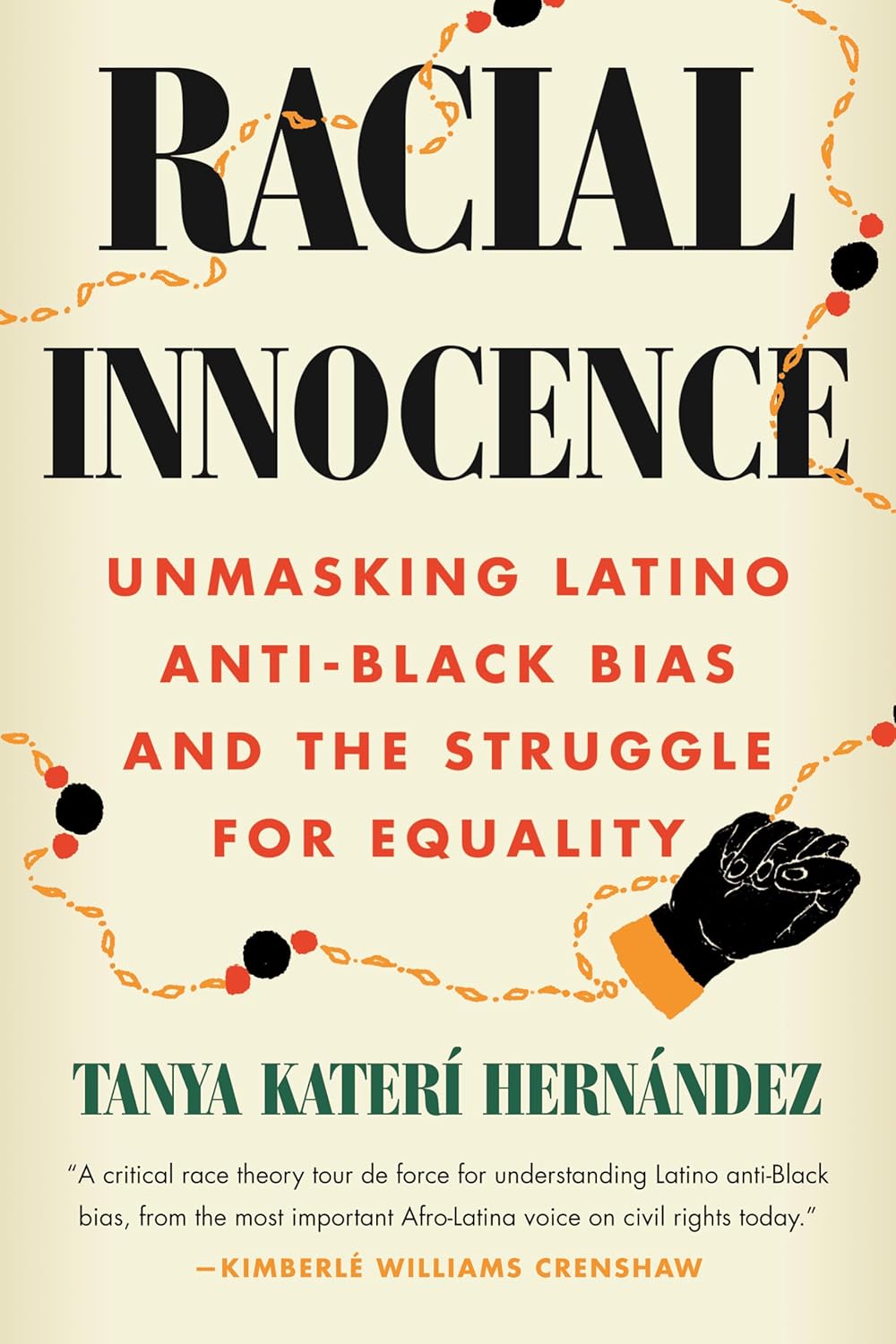
“Race is more directly rooted to imposed social hierarchy based upon physical differences or presumed physical differences from ancestral lineage. Skin color is only one of the physical markers like facial features, hair texture, body shape all enveloped in a matrix of demeaning body stereotypes. Unlike ethnicity, race is always about creating and maintaining a caste system.” — Racial Innocence
“‘They took our words and locked them away, punished us until we forgot them, until we sounded like them…Tanisi, nimosom,’ she said… ‘I found your words, Grandpa.’” — Stolen Words


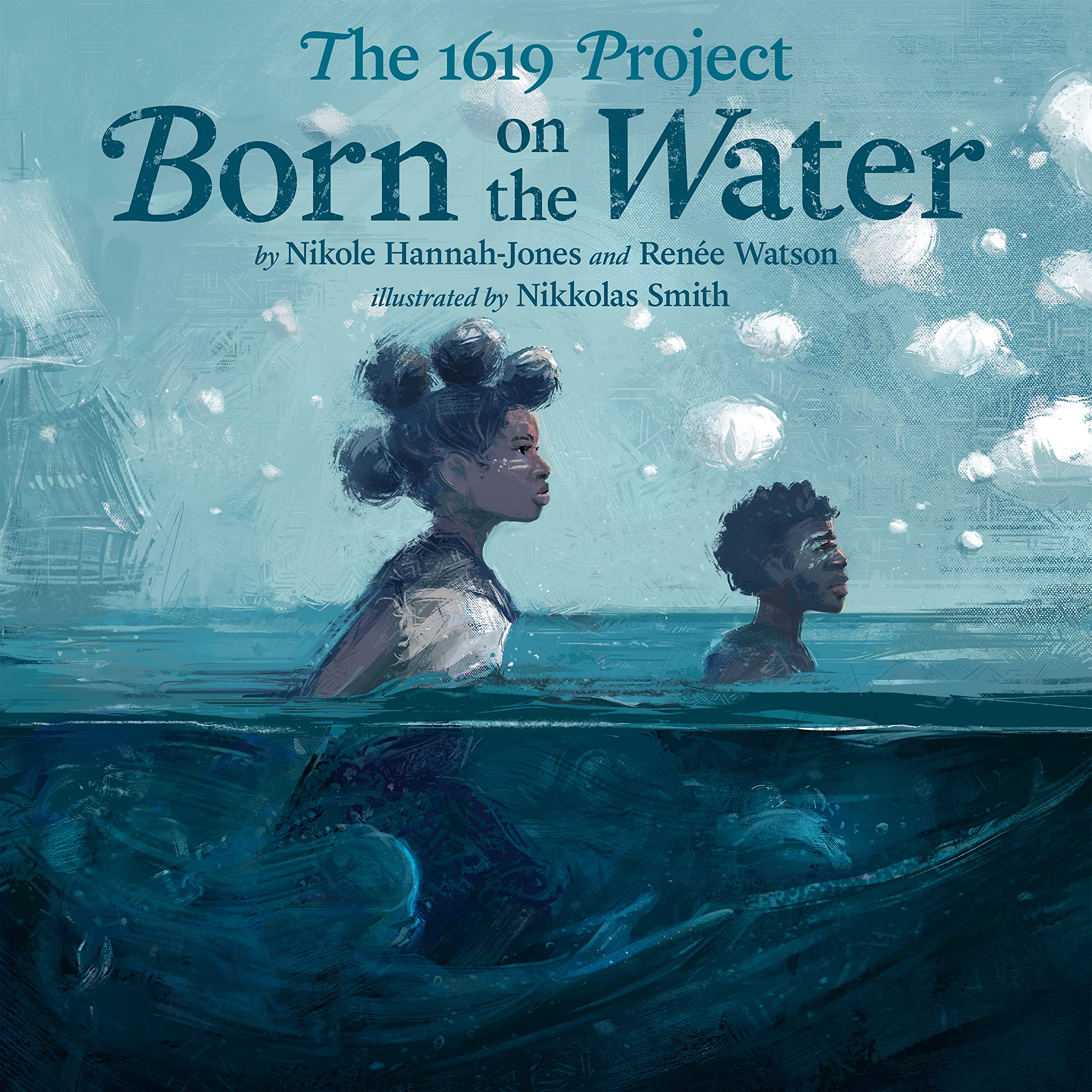
“This is our national truth: America would not be America without the wealth from Black labor, without Black striving, Black ingenuity, Black resistance.” — The 1619 Project: Born on the Water
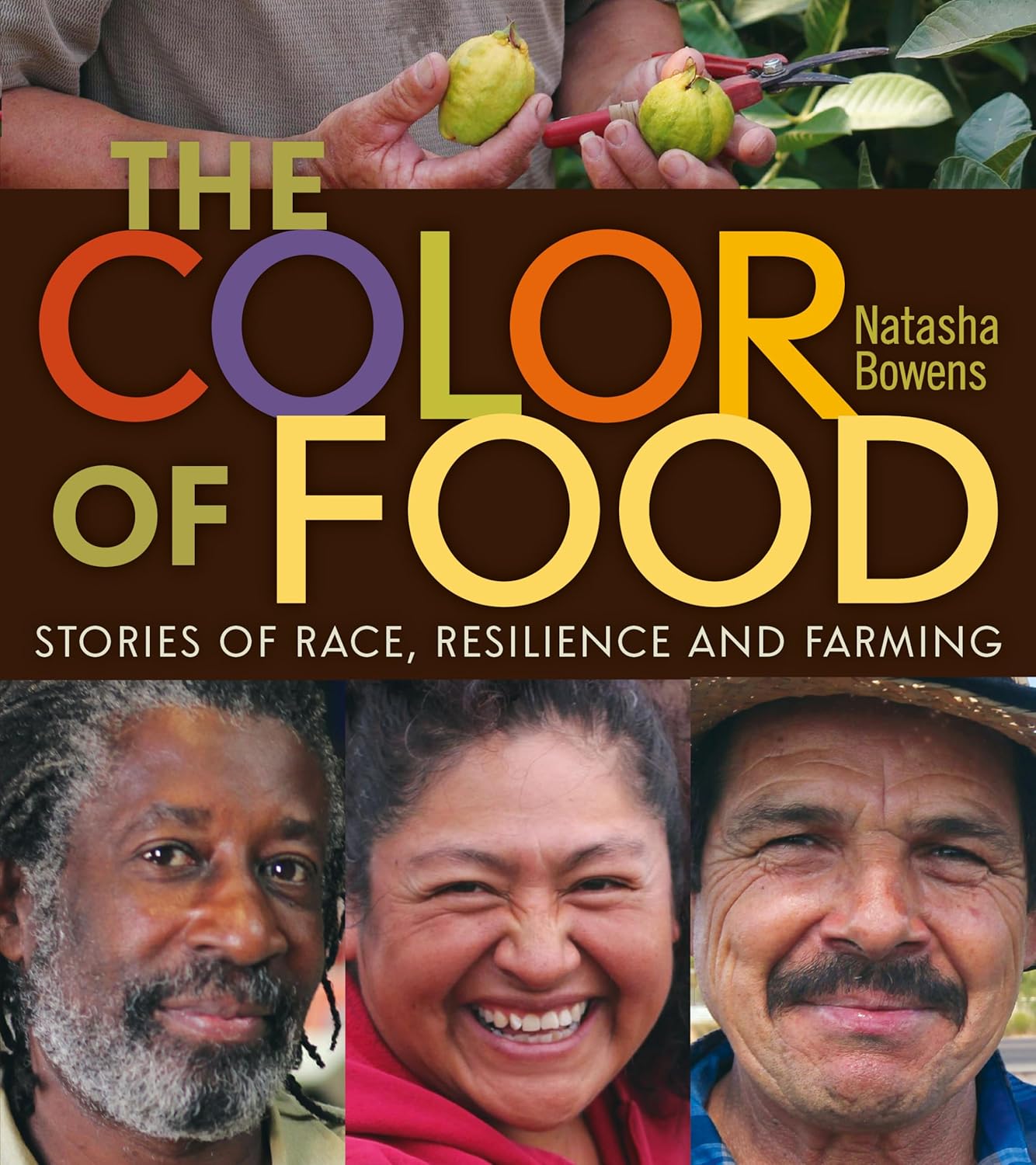
“This book tells many people’s stories throughout history. It showcases the effects of colonialism amongst indigenous populations in the modern world. Not as a historical occurrence but a very real and present experience.” — Amanda Richardson, about The Color of Food


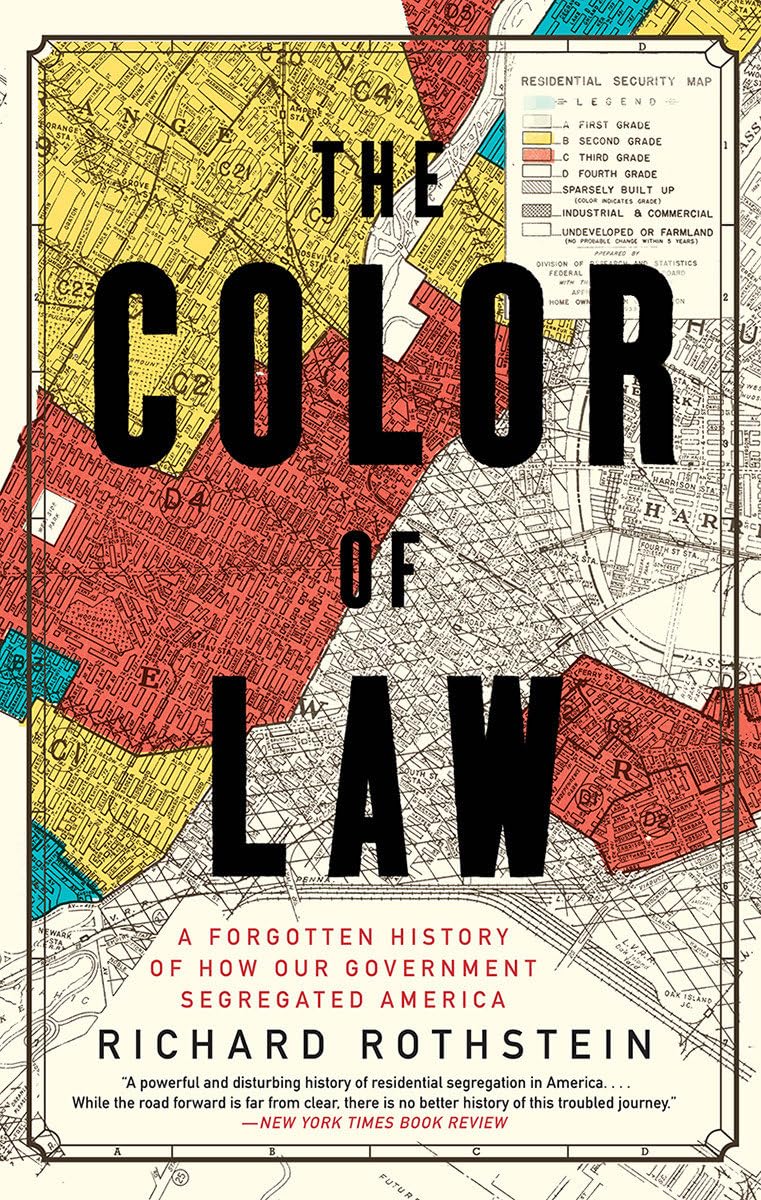
“Today’s residential segregation in the North, South, Midwest, and West is not the unintended consequence of individual choices and of otherwise well-meaning law or regulation, but of unhidden public policy that explicitly segregated every metropolitan area in the United States.” — The Color of Law
“Our understanding of racism is therefore shaped by the most extreme expressions of individual bigotry, not by the way in which it functions naturally, almost invisibly (and sometimes with genuinely benign intent), when it is embedded in the structure of a social system.” — The New Jim Crow


“I love the format of this story. It takes a horrible event – Japanese internment – and makes it accessible while still holding onto the important information and power of the events.” — Jason Harris, about They Called Us Enemy
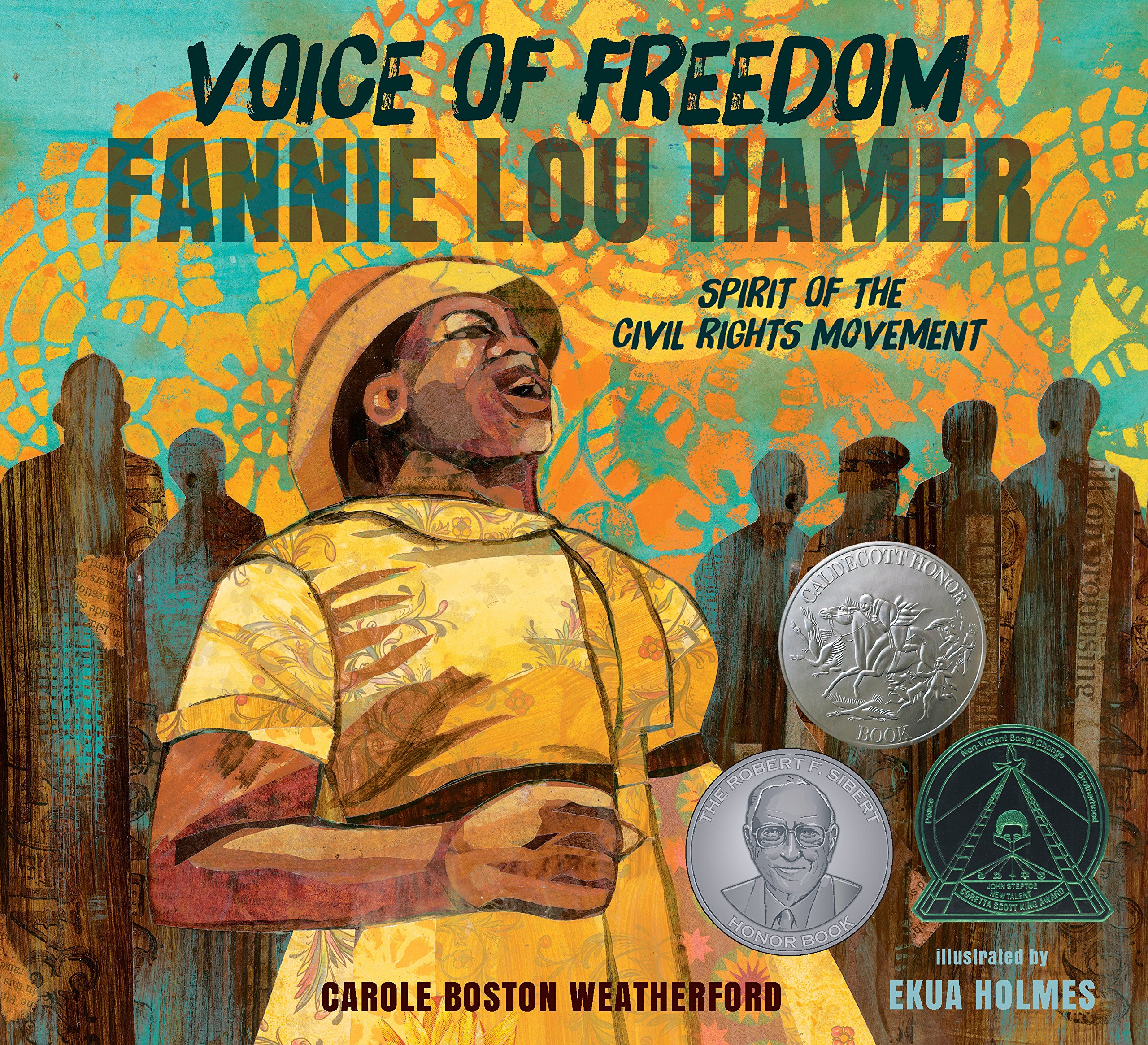
“On my fundraising tour, I called racism America’s Problem. “Whatever you give” I told the crowd, “it’s not only to free me in Mississippi, but it’s also to free yourselves, because no man is an island.” — Voice of Freedom Fannie Lou Hamer: Spirit of the Civil Rights Movement


“Few of us have been taught to think critically about issues of social injustice. We have been taught not to notice or to accept our present situation as a given, “the way it is.” But we can learn the history we were not taught, we can watch the documentaries we never saw in school, and we can read about the lives of change agents, past and present. We can discover another way.” — Why Are the Black Kids Sitting Together in the Cafeteria?